
Guide · Garments
How to look closely at a garment
Read the outline first, then look for seams, drape, fastening, and the choices a photograph conceals.
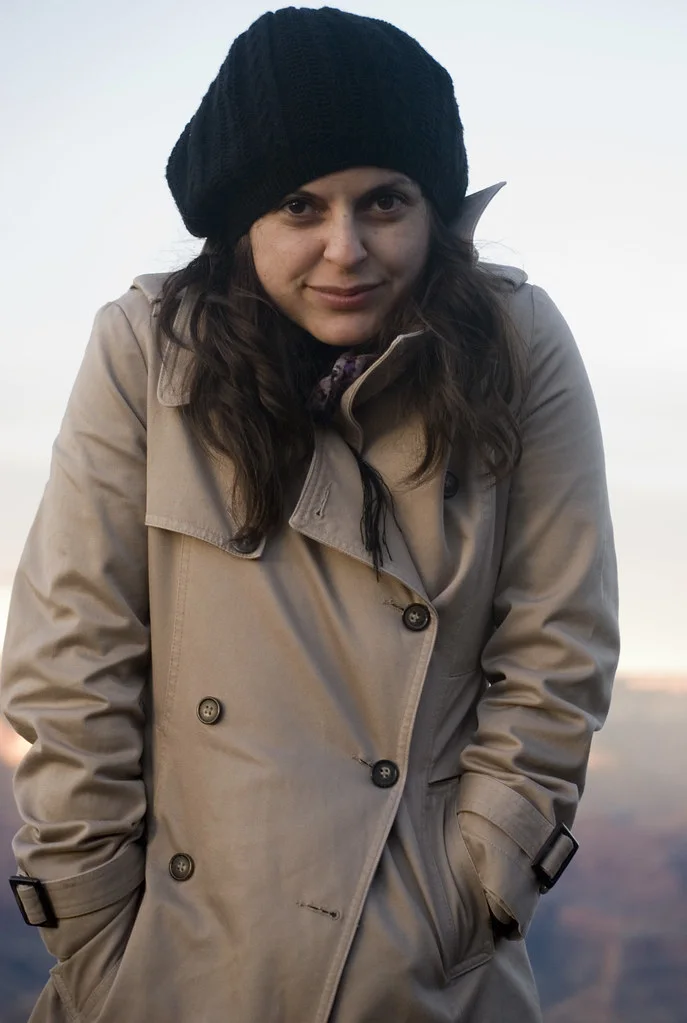
A garment is both an image and something made to move with a body. A photograph may show its outline and decoration while hiding its lining, support, weight, and method of construction. The V&A's work X-raying its fashion collection (opens in a new tab) shows why that distinction matters: some details of structure and materials are not visible to the naked eye. Look closely at what a picture offers, then name what it leaves open.
Read the outline before the label
Where is the garment close to the body, and where does it stand away? Follow the shoulder, waist, sleeve, and hem. Notice whether folds appear soft or sharply controlled in this particular image. Light, pose, and camera angle can change those impressions; they are observations about a photograph, not a complete account of the garment in motion.
Then find the visible construction clues: seams, closures, pockets, straps, and edges. Ask what they might do. Some may help the garment fasten or fit; others may change its look. Avoid assigning a purpose to every detail until a source or another view supports it.
- Closure
- Seam
- Belt line
- Drape
- Hem
Try this in three steps
Follow the silhouette. Describe the broad shape and where it appears to bend, hang, or hold its form. Compare the left and right sides without assuming they are identical.
Find the joins. Trace a visible seam, fastening, or layer. What does it connect? Which part disappears from view? Look for a second image or record before describing hidden construction.
Ask about material. Note visible texture, shine, and drape, but do not identify fibre or technique from appearance alone. Check a collection or maker record for documented material and date.
The photograph
A construction record
- Maker
- Date
- Materials
- Technique
- Condition
- Notes
A worked example: the trench coat
The Art Says Hi trench coat reading directs attention to belt, flaps, shoulders, and folds. Start by tracing the belt's line through the photograph. Compare the structured upper shape with softer folds below. From that image, you can describe the visible arrangement; you cannot know the exact fabric, hidden lining, age, or original wearer of the pictured coat without a record. The existing example is a visual reading, and it should remain one.
Flat light
Raking light
From the side
When a record changes the reading
The V&A's account of Balenciaga's construction (opens in a new tab) documents how particular fabrics and pattern choices create particular shapes. It is a useful demonstration of what research can add to looking. It does not tell us how the trench coat in our example was made. Keep those two levels apart: a visible fold invites a question; an object-specific record can answer it.
Take another look
Which feature seems structural, and which is simply most noticeable in this photograph? You can read a photo of clothing in the browser after choosing the focus and starting the reading yourself.
Sources
- V&A, X-raying the Fashion collection (opens in a new tab)
- V&A, Secrets of Balenciaga's construction (opens in a new tab)
The three-step method is Art Says Hi editorial guidance.
Read a photo of your ownYour photo is only sent when you choose Start reading.
Spotted an error? Tell us