
Journal
A better look,
one subject at a time.
Practical guides to looking — from sculpture and posters to photographing a subject, telling paint from print, and reading the words museums write — each with steps to try and honest notes on what a photo cannot settle.
The guides
Start with the photo, the surface, or the label — then follow it into context.
Sculpture
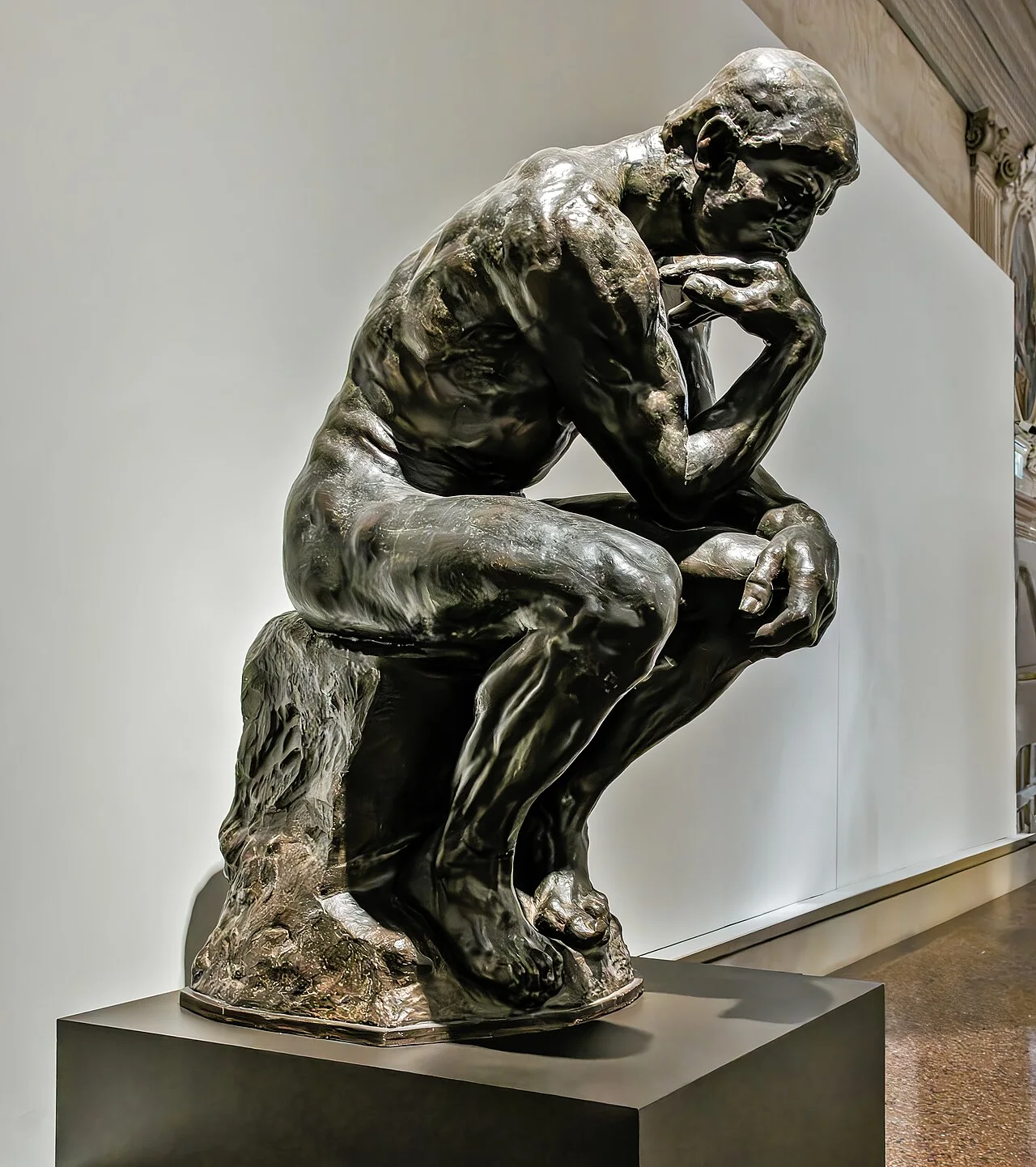
How to look at sculpture from every side
Change your position, and a form can change its meaning. Start with silhouette, space, and material.
Didier Descouens (opens in a new tab)CC BY-SA 4.0 (opens in a new tab)
Buildings
How to read a building on a walk
Start at street scale, move to the facade, then look for the details that record change.
Christian Stock (opens in a new tab)CC BY 2.0 (opens in a new tab)
Designed objects
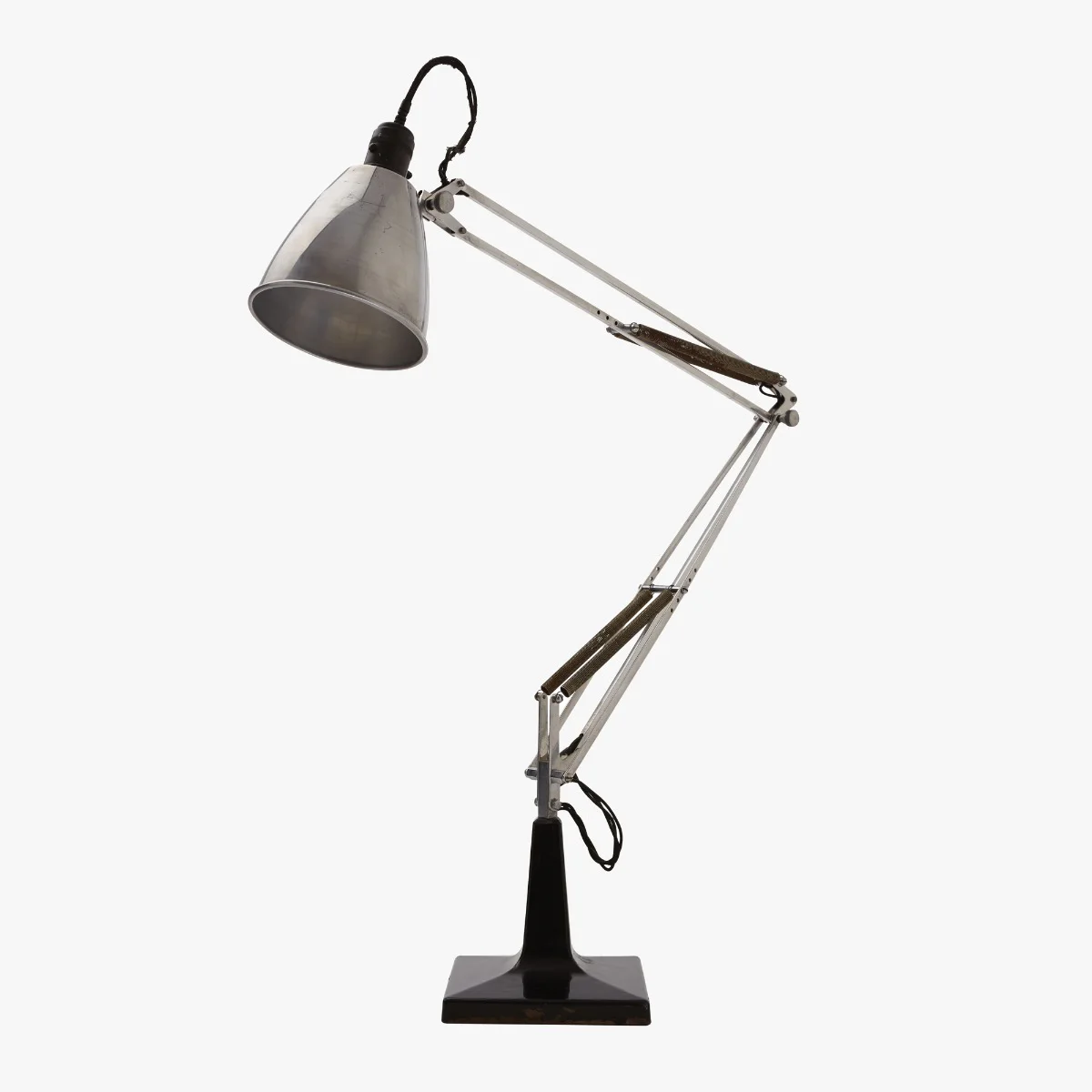
How to examine a designed object
A handle, hinge, or join often explains more than a famous silhouette.
Upphovsperson okänd (opens in a new tab)CC BY-SA 4.0 (opens in a new tab)
Garments
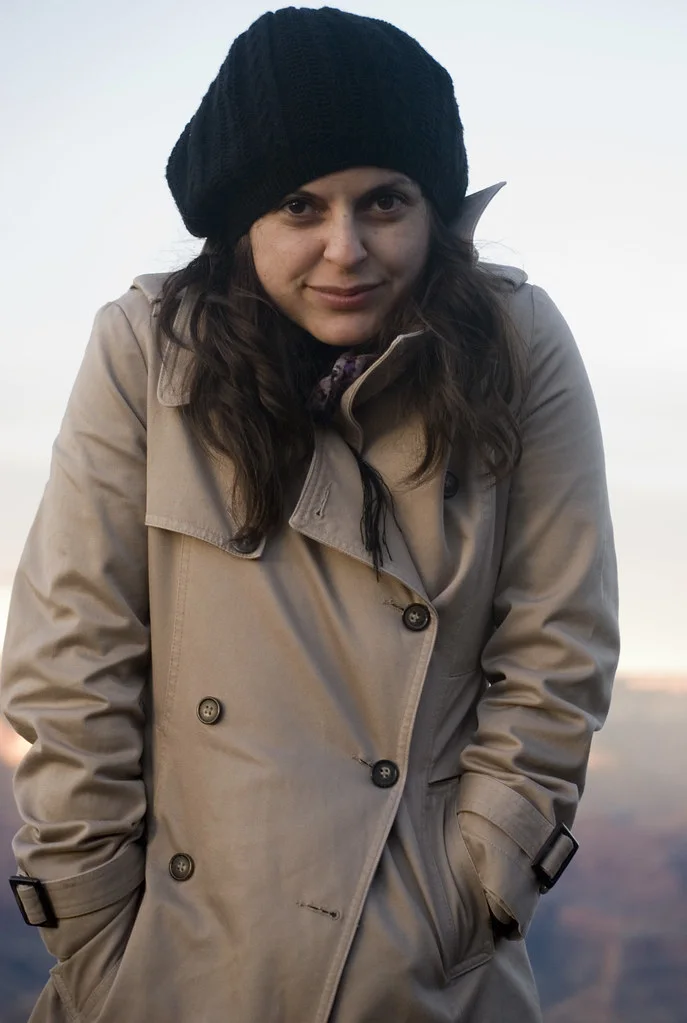
How to look closely at a garment
Read the outline first, then look for seams, drape, fastening, and the choices a photograph conceals.
allistair (opens in a new tab)CC BY 2.0 (opens in a new tab)
Posters
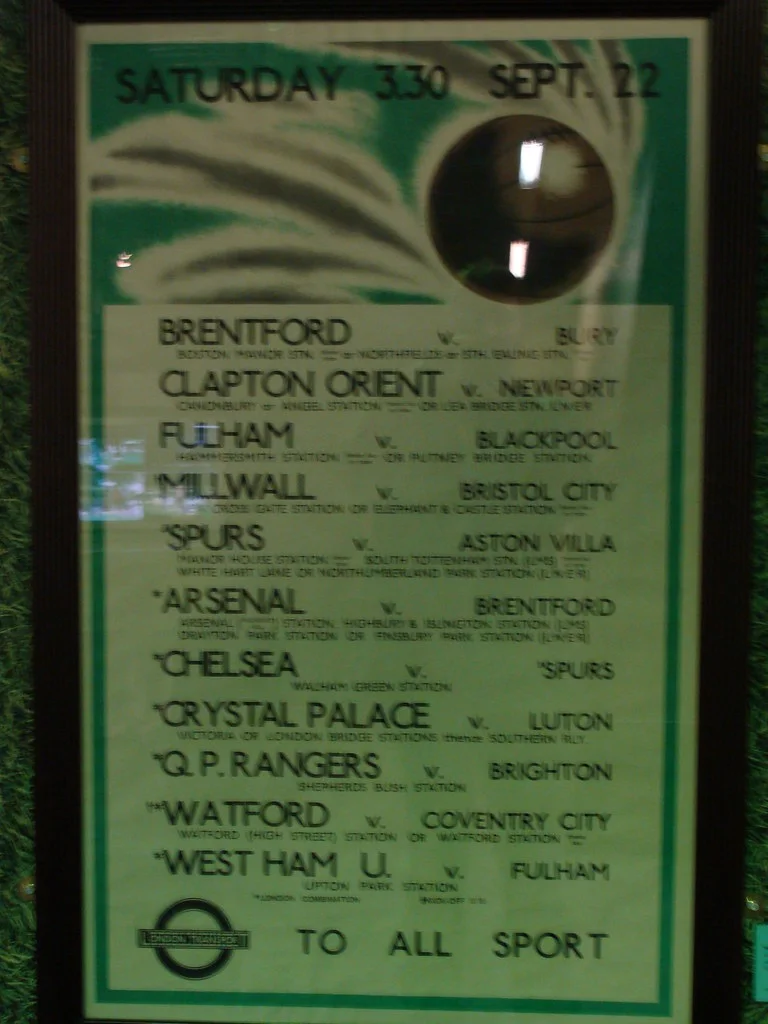
How to read a poster's visual message
Begin with what catches your eye; then ask what the poster wants you to notice and how it makes the case.
Ben Sutherland (opens in a new tab)CC BY 2.0 (opens in a new tab)
Photographing a subject
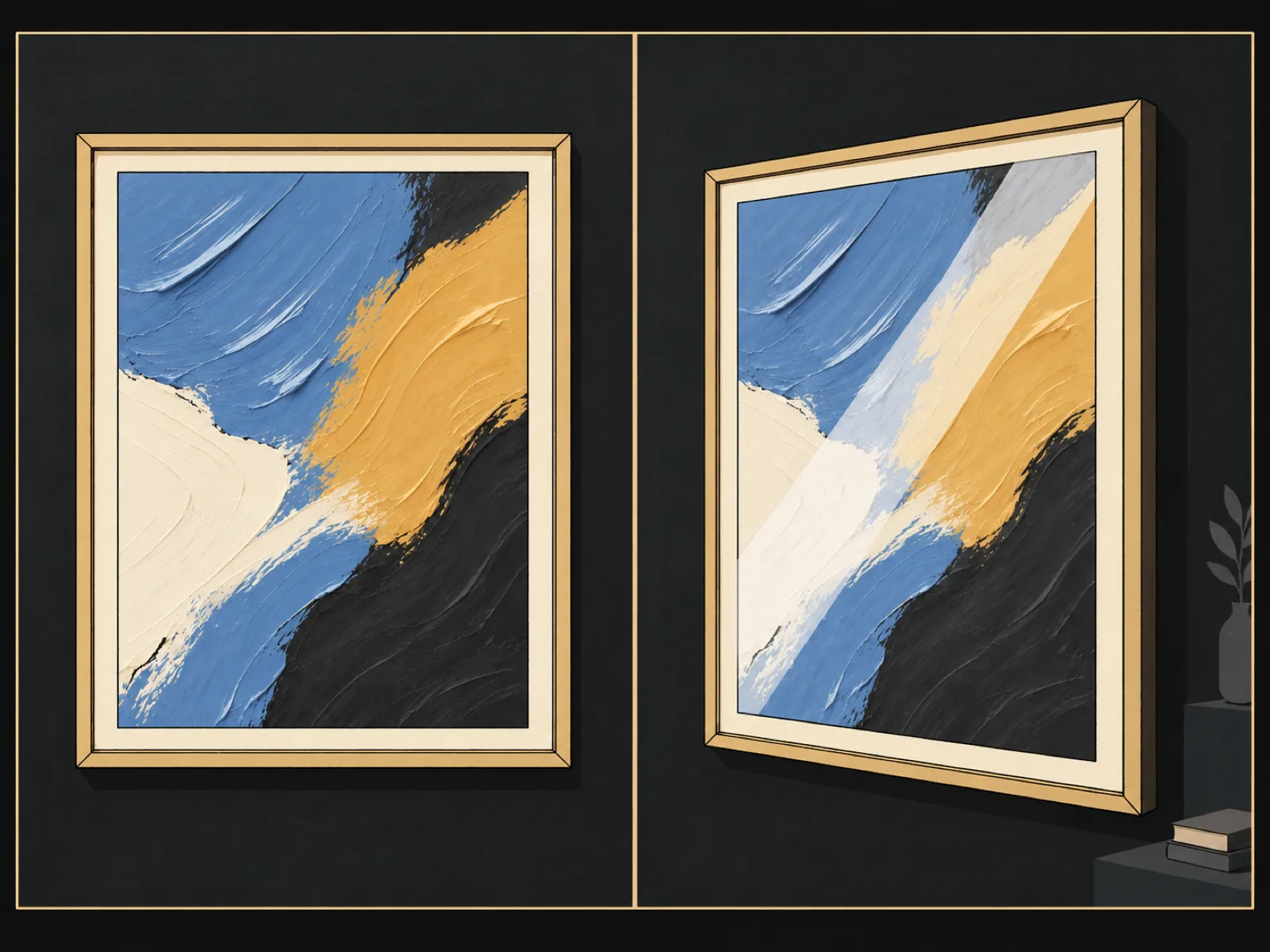
How to photograph a subject so a reading can actually see it
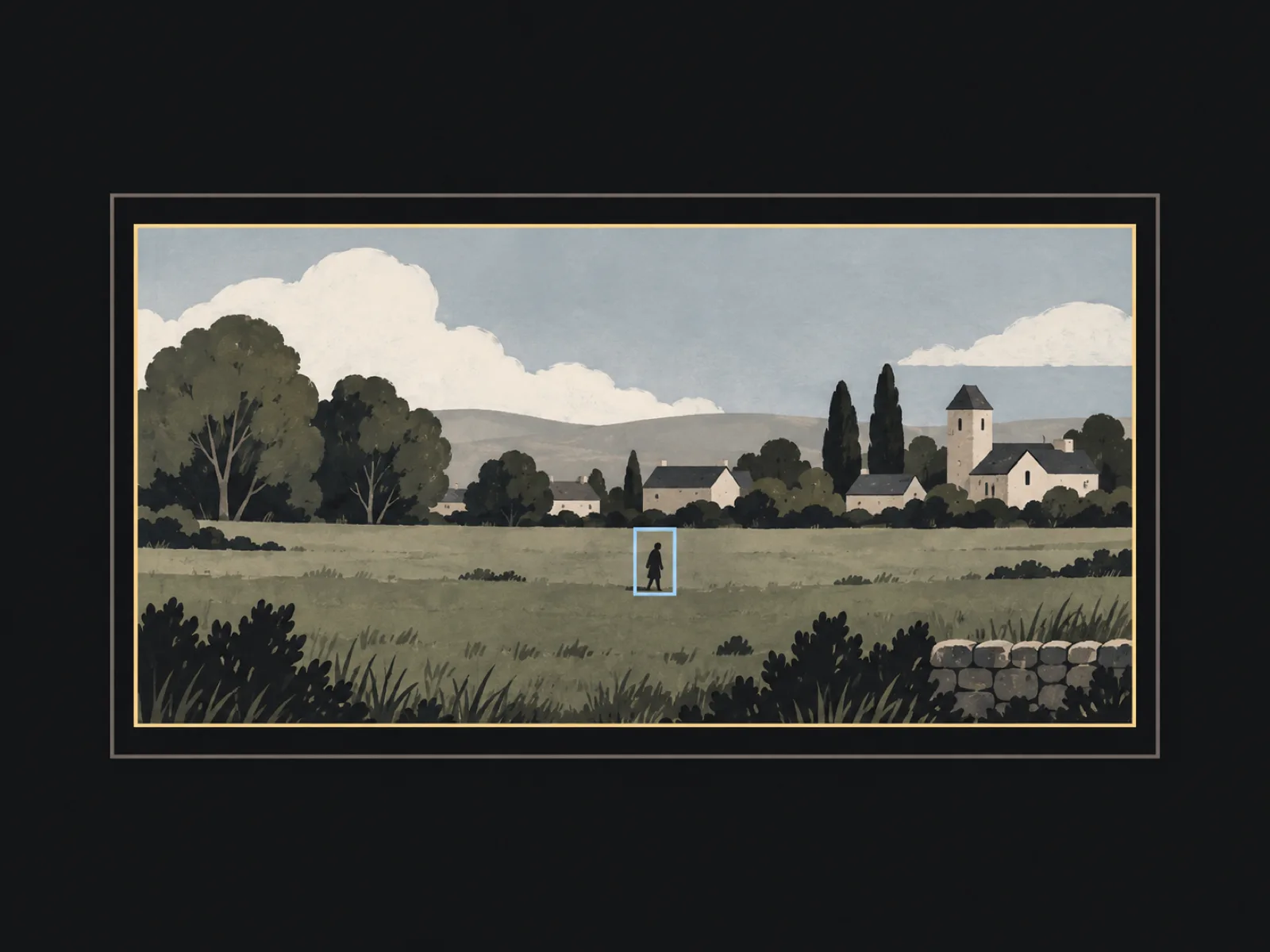
A reading can only work with what the frame shows. A few quiet minutes with light and position usually beat a second guessing attempt.
AI-generated editorial illustration · staged comparison, not real photographs
Paintings and prints
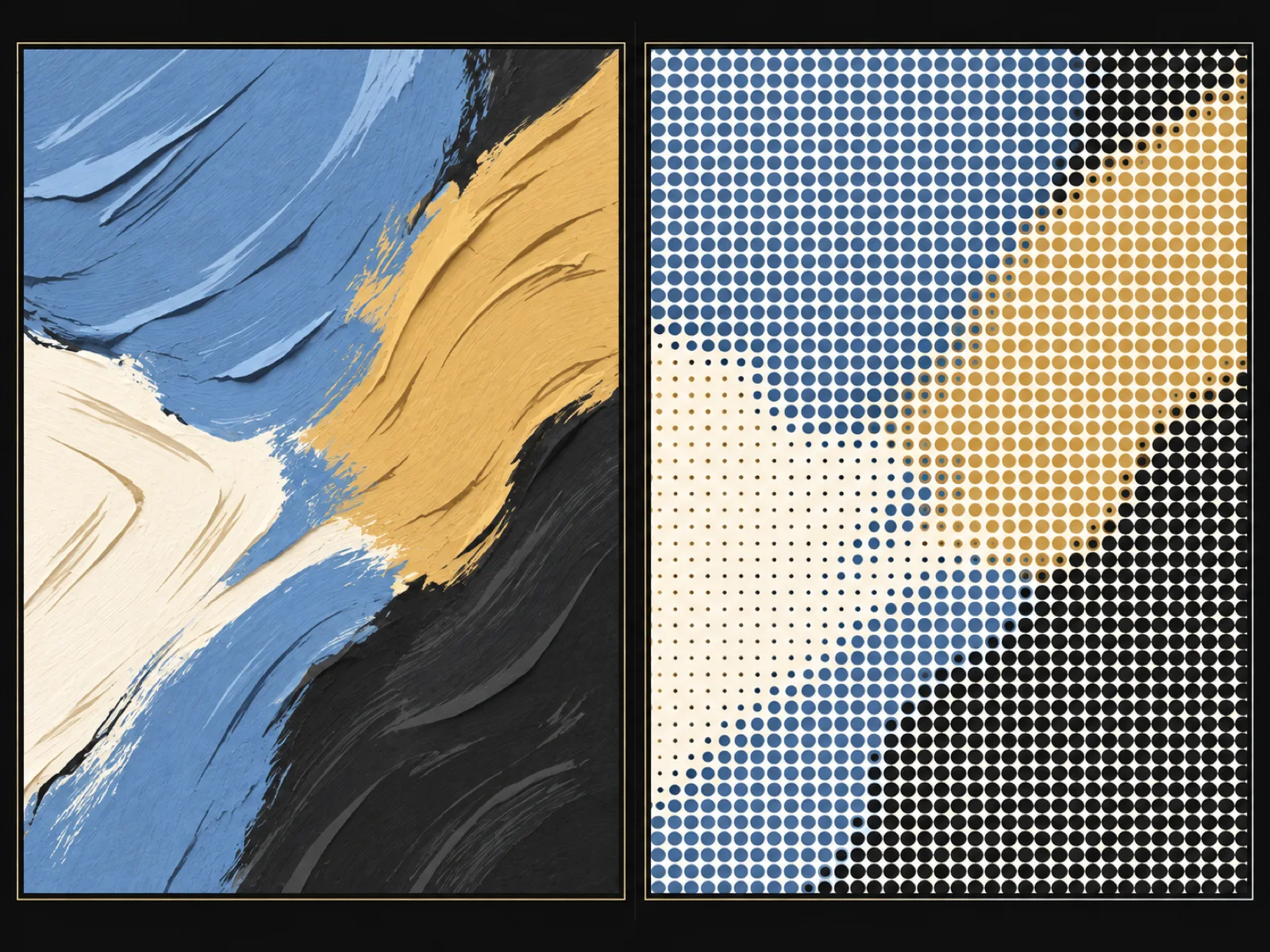
Painting or print? Visual checks that usually settle it
Raised paint, printed dots, the back of the frame: most reproductions announce themselves if you know where to look — and a few refuse to.
AI-generated editorial illustration · enlarged comparison, not real paint or print
Old paintings
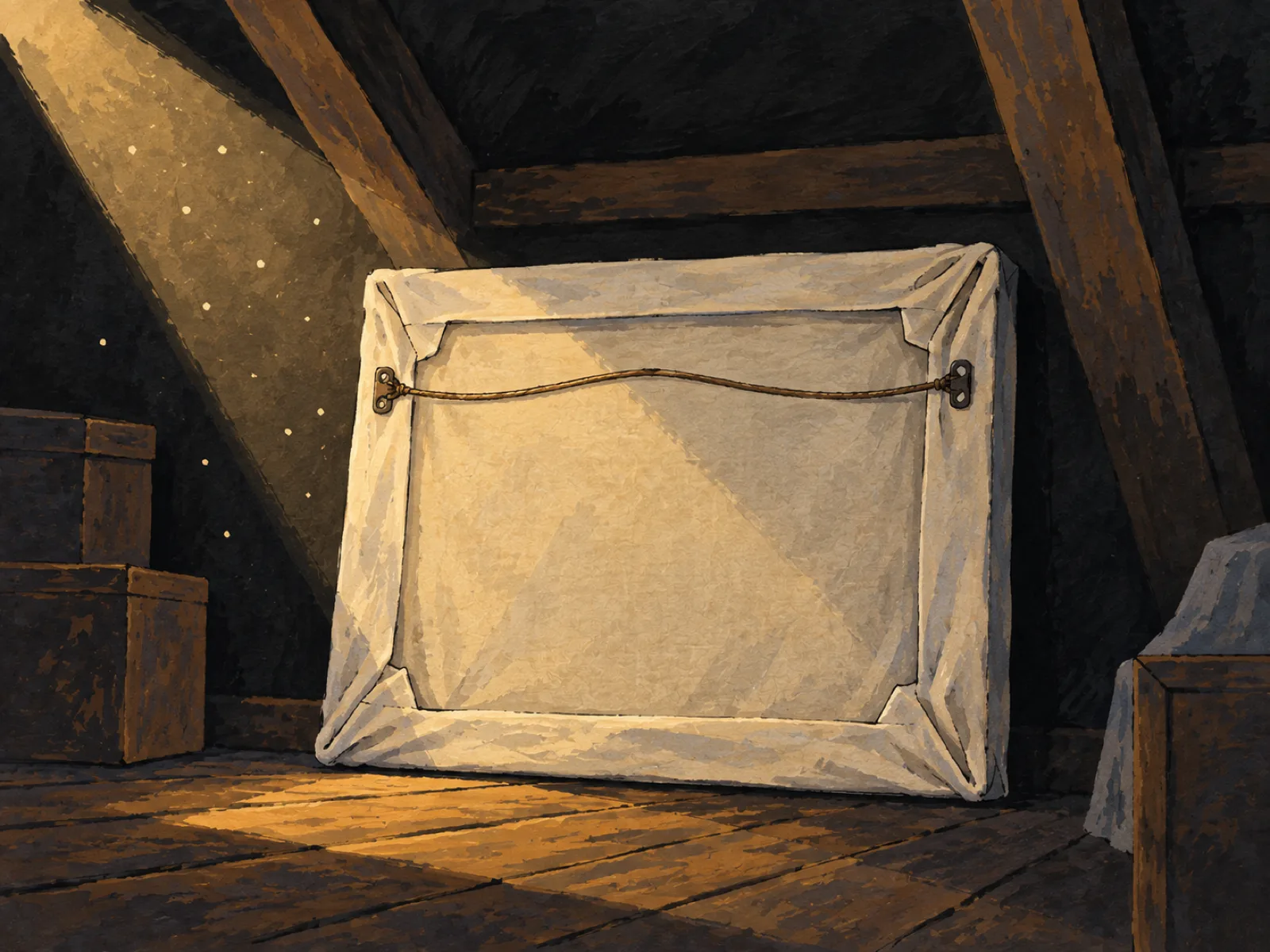
Found an old painting? The first steps before asking what it's worth
Before value comes evidence. Photograph it, document it, keep the story straight — then the professionals have something to work with.
AI-generated editorial image · fictional attic scene
Attribution
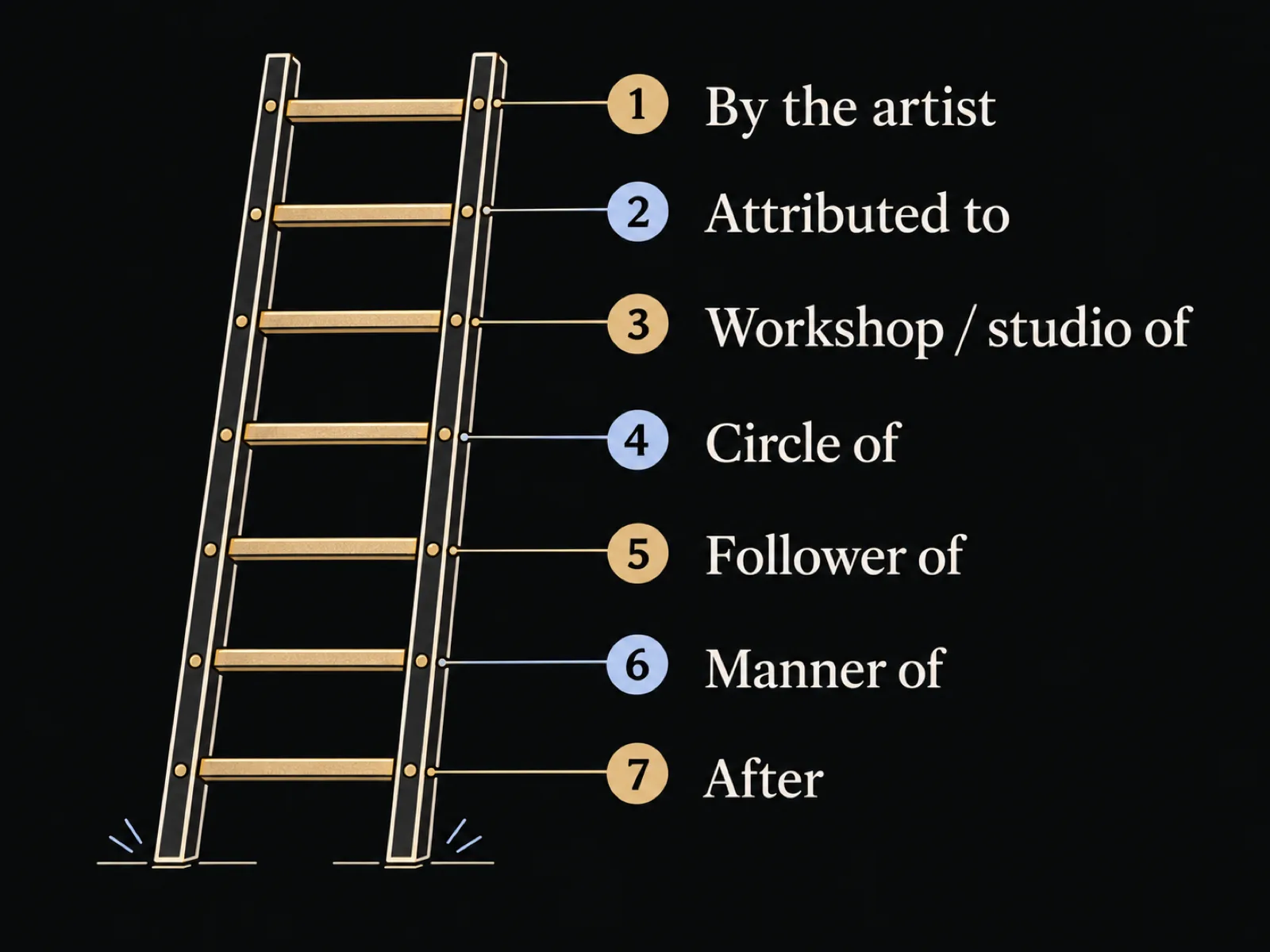
"Attributed to", "circle of", "school of": the museum words for maybe
Museums write their confidence into the label. Once you can read the qualifiers, a wall of maybes becomes a map of the evidence.
AI-generated editorial diagram
Museum labels
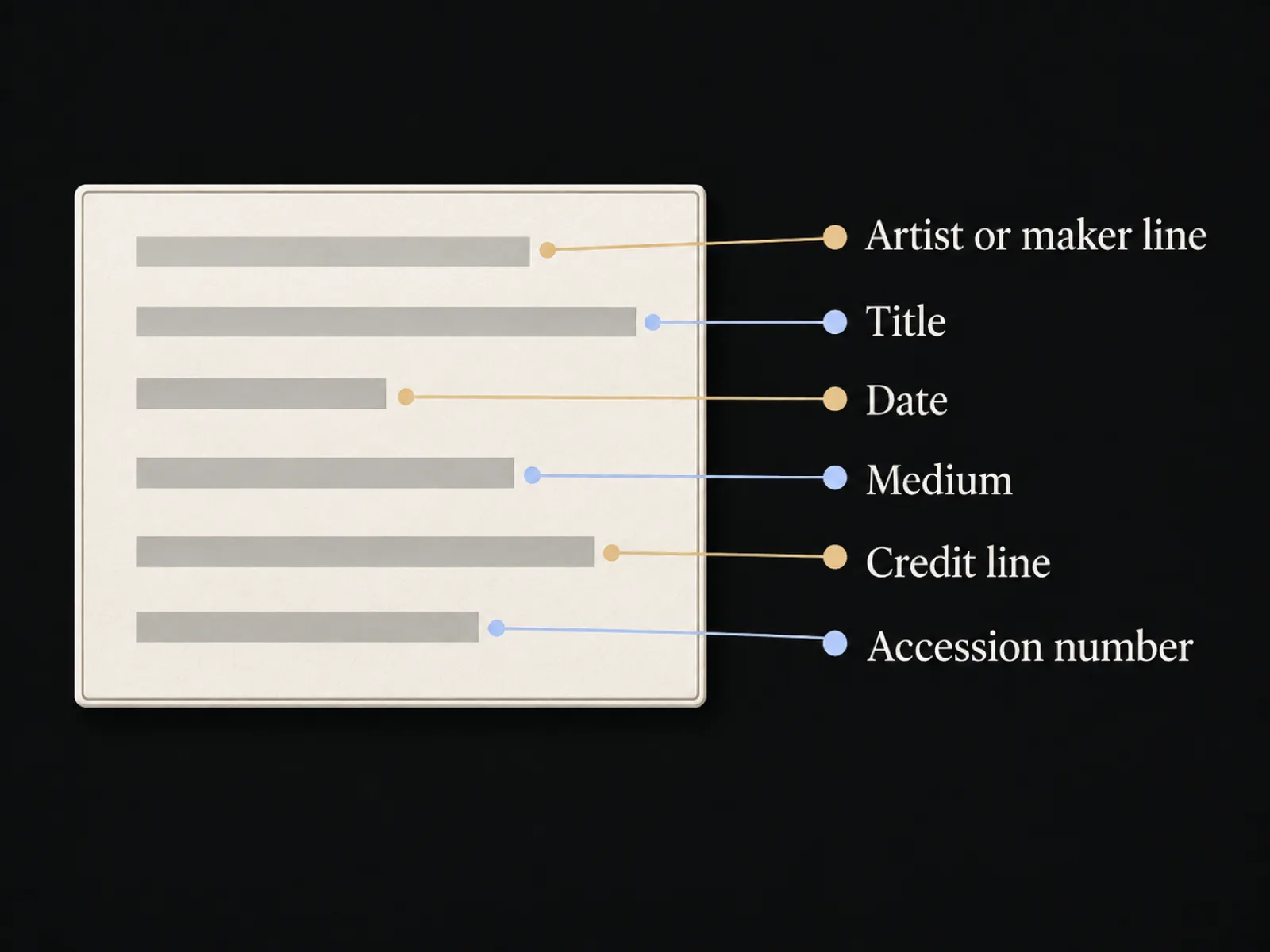
How to read a museum label (and when to read it last)
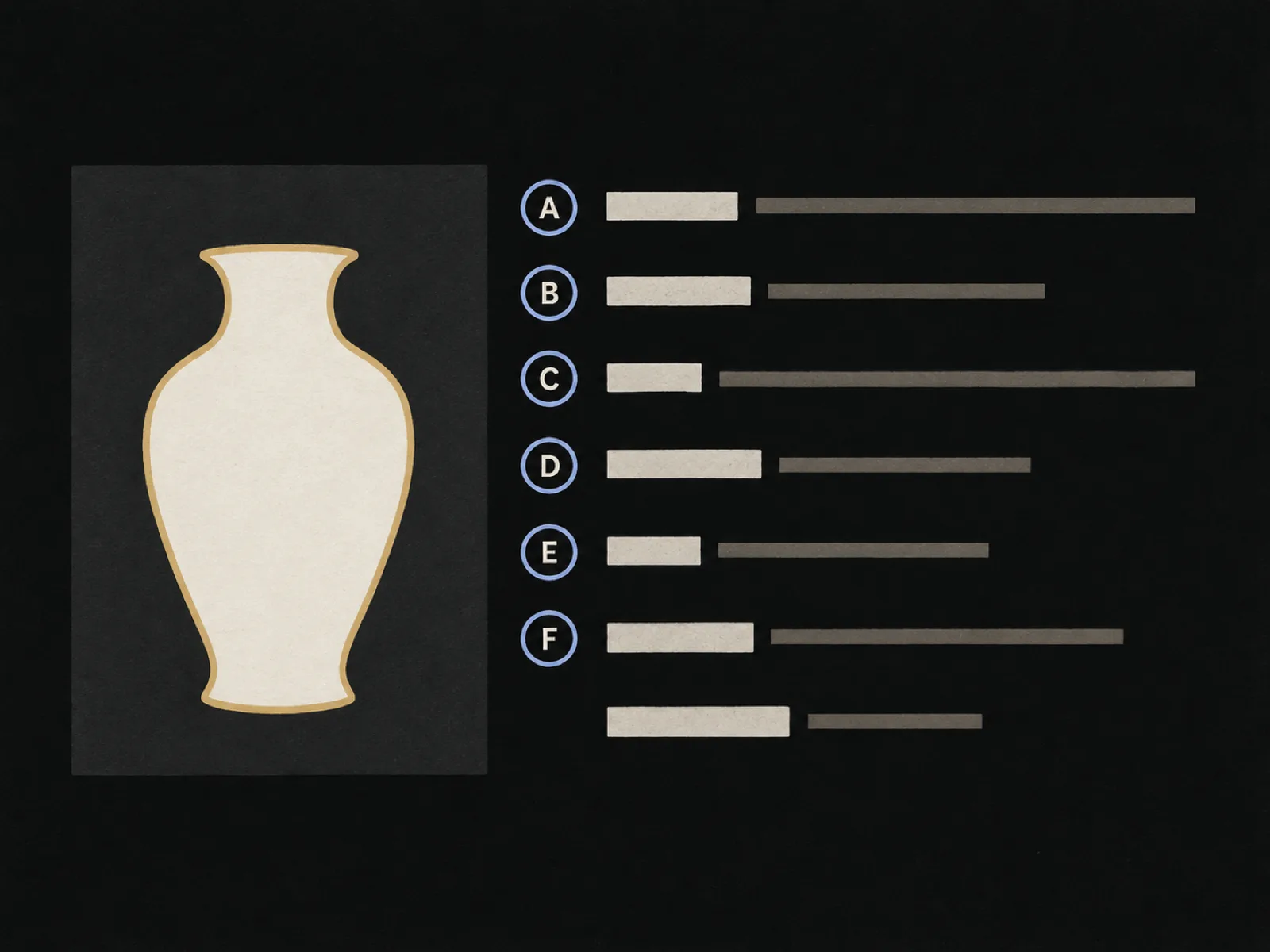
Six lines of small type hold the work's maker, title, date, medium, credit, and accession number. Learn the order they come in and any wall becomes readable.
AI-generated editorial diagram
Checking a reading
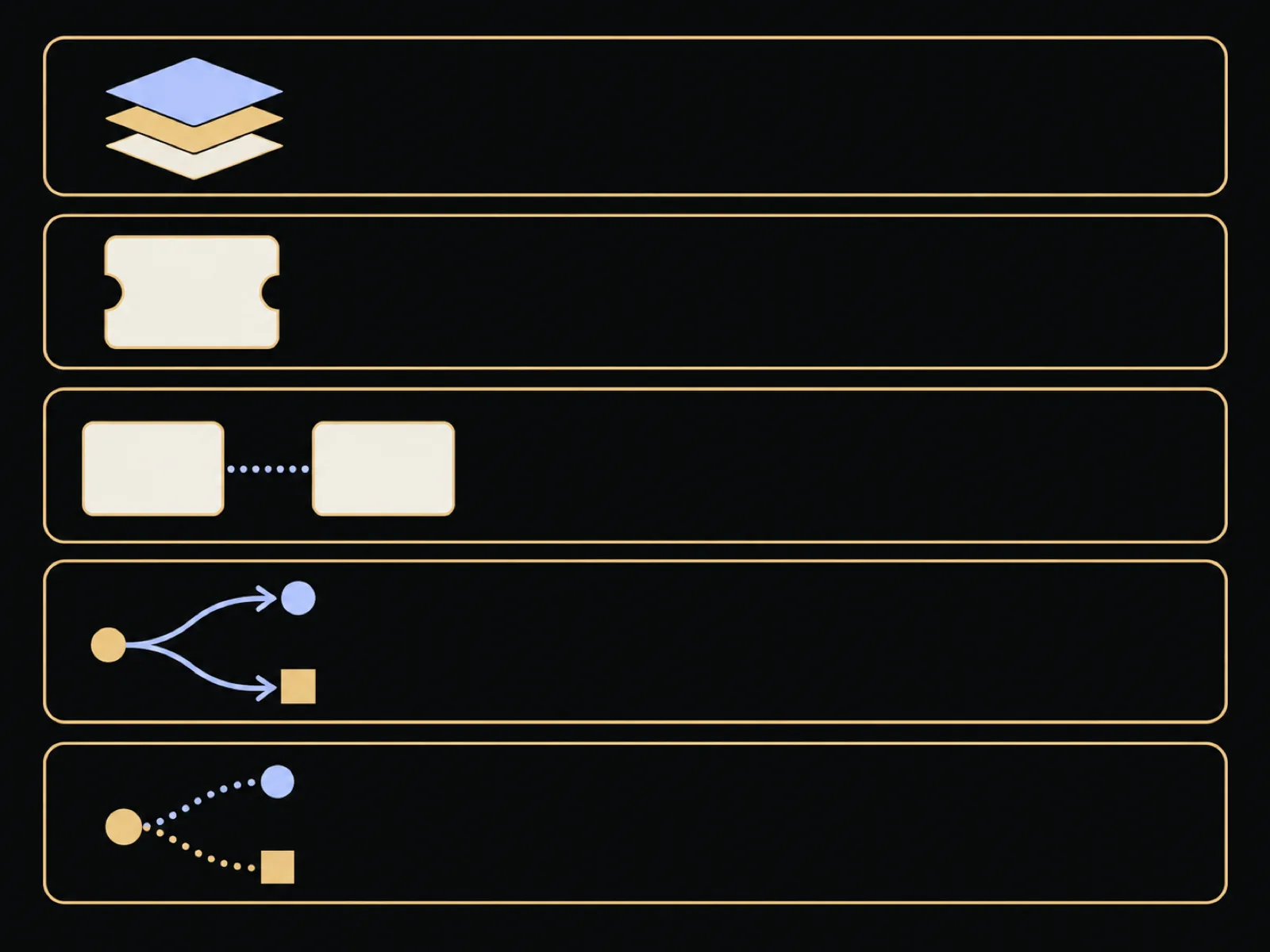
Check your reading: a five-minute audit for any image result
A reading is a draft, not a verdict. Five checks — the claim's layer, a falsifiable point, the source behind the context, the alternative reading, and what would change your mind — tell you how much weight to give it.
AI-generated editorial diagram
Provenance
What is provenance, and why a photo can't supply it
Provenance is an artwork's ownership history — who held it, when, and how it moved. It is assembled from records, not read off the surface, and gaps in it are normal.
AI-generated editorial diagram
Slow looking
Slow looking: a practical routine that works on any object
Slow looking is structured patience: stay with one thing longer than feels natural, and let what you notice keep changing. A three-minute version and a fifteen-minute version.
AI-generated editorial illustration
Open image collections
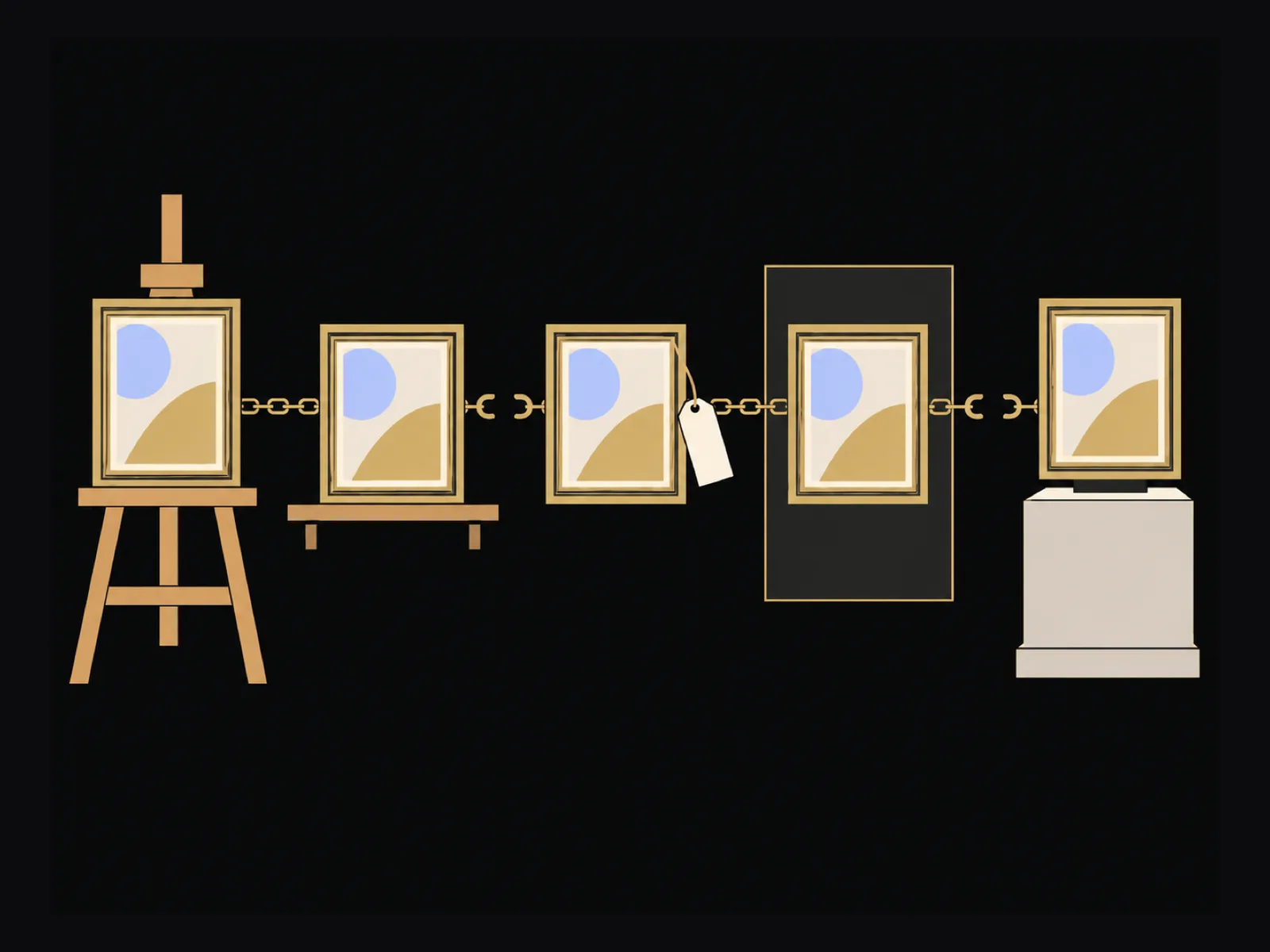
Where to find public-domain art images you can actually use
Several major museums publish high-resolution images of public-domain works under open licences — free for almost any use, including commercial ones. Where they are, and what the licence line actually says.
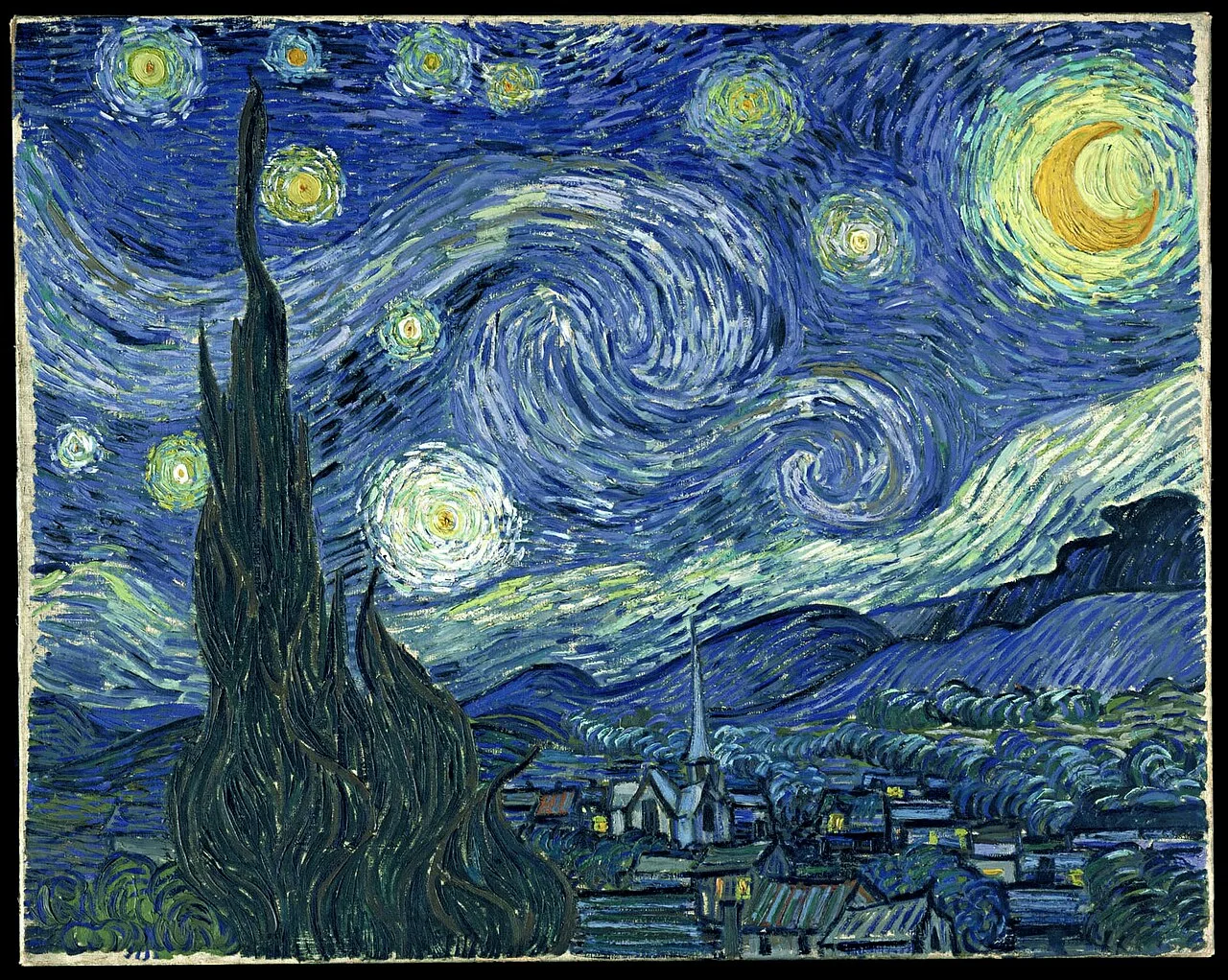
Read the guide: Where to find public-domain art images you can actually use Try the example: The Starry NightVincent van Gogh (opens in a new tab)Public domain (opens in a new tab)
Marks and inscriptions
Signatures, hallmarks, stamps and edition numbers: what marks can and can't tell you
Marks are evidence, not verdicts. A signature can be added later, a hallmark can be transposed, and an edition number describes a print run — not authenticity. How to read the four commonest kinds.
Abstract art
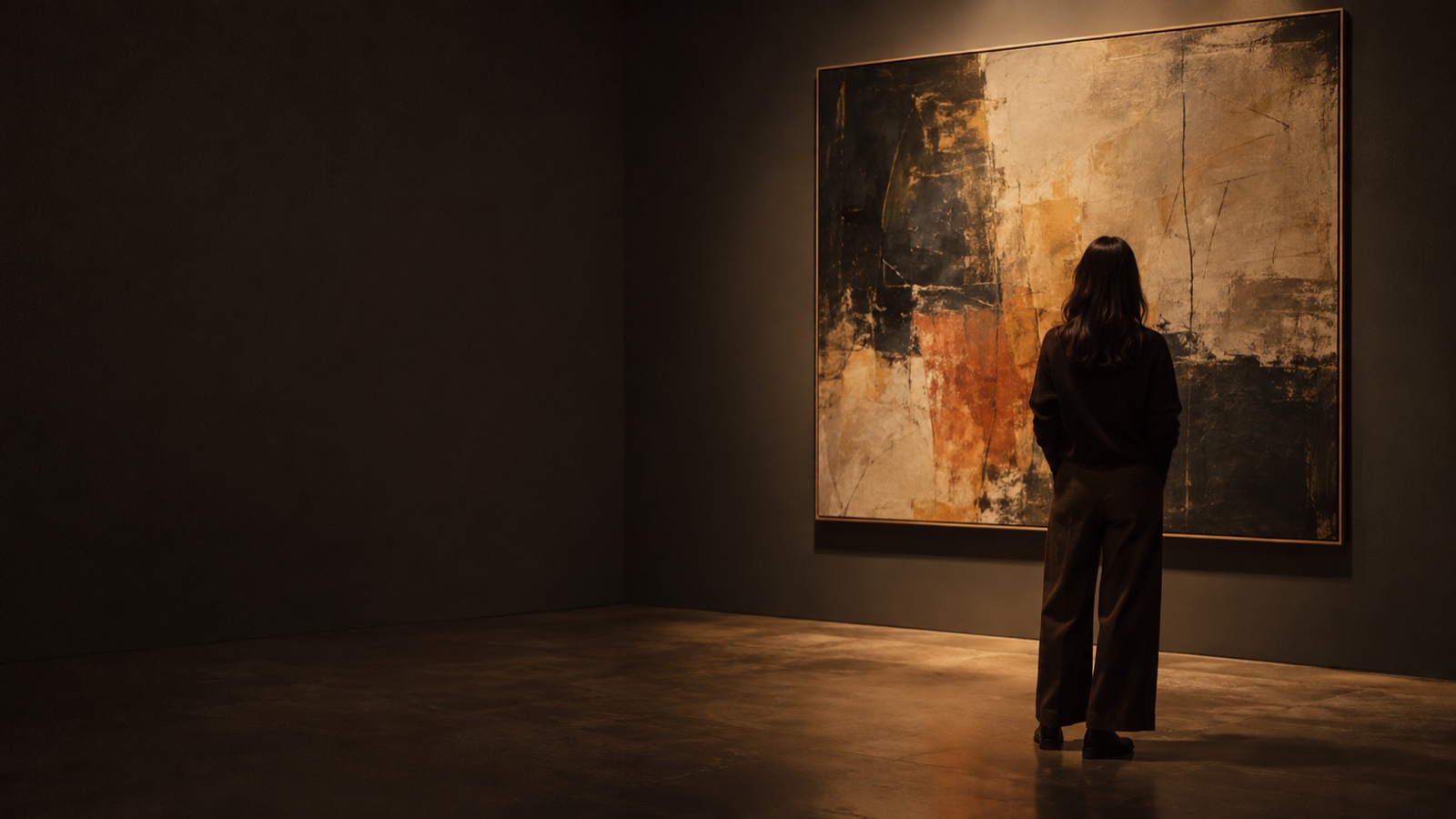
How to look at abstract art when there's nothing to recognise
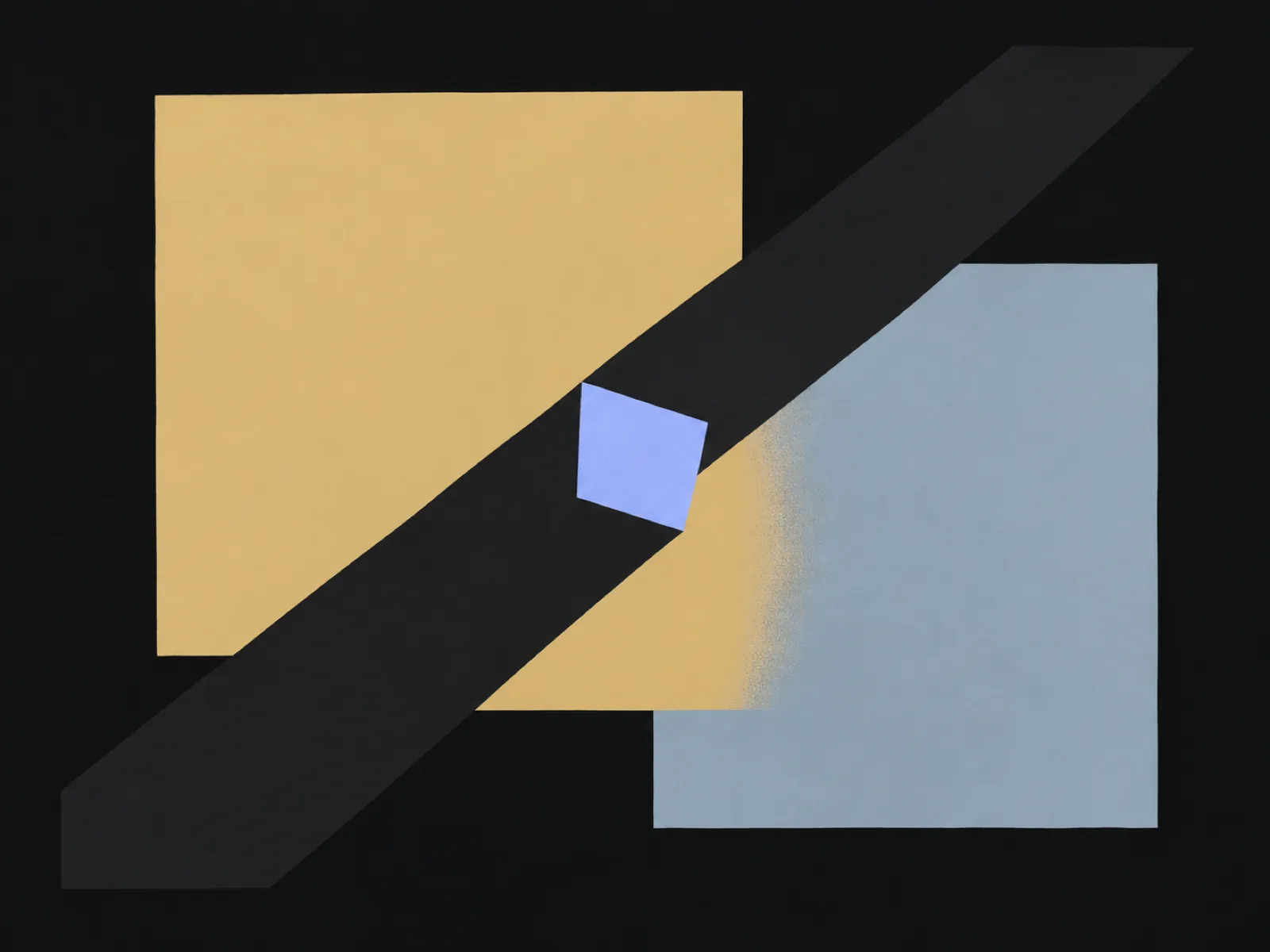
Nothing to name is not nothing to see. Colour, edge, rhythm and shape are already in front of you — this is a way to start with them, and let meaning arrive late.
AI-generated editorial illustration · invented composition, not a real artwork
Photographs
How to look at a photograph
Every photograph is a set of decisions made before you arrived — the frame, the light, the crop, the print. Learn to see the decisions and the picture opens up.
AI-generated editorial illustration · fictional scene, not a photograph
A looking vocabulary
A working vocabulary for looking at images
Composition, tone, silhouette, patina, negative space — the small set of words that turn a private look into a shareable one. Each with a definition and a page where you can watch it work.
Kritzolina (opens in a new tab)Public domain (opens in a new tab)
Catalogue records
What a museum catalogue record tells you — and how to check it
Accession numbers, credit lines, provenance rows — an object record is the museum's file on the thing you just looked at. Which fields carry the weight, and how to read them without over-trusting them.
AI-generated editorial illustration · fictional record layout, not a real museum page
Condition and repair
How to spot repair, repainting and honest wear on an old object
‘Old’ and ‘untouched’ are different claims. Wear accumulates; repair intervenes — and the surface usually remembers which happened where. What to look for before condition becomes a money question.
Symbols and iconography
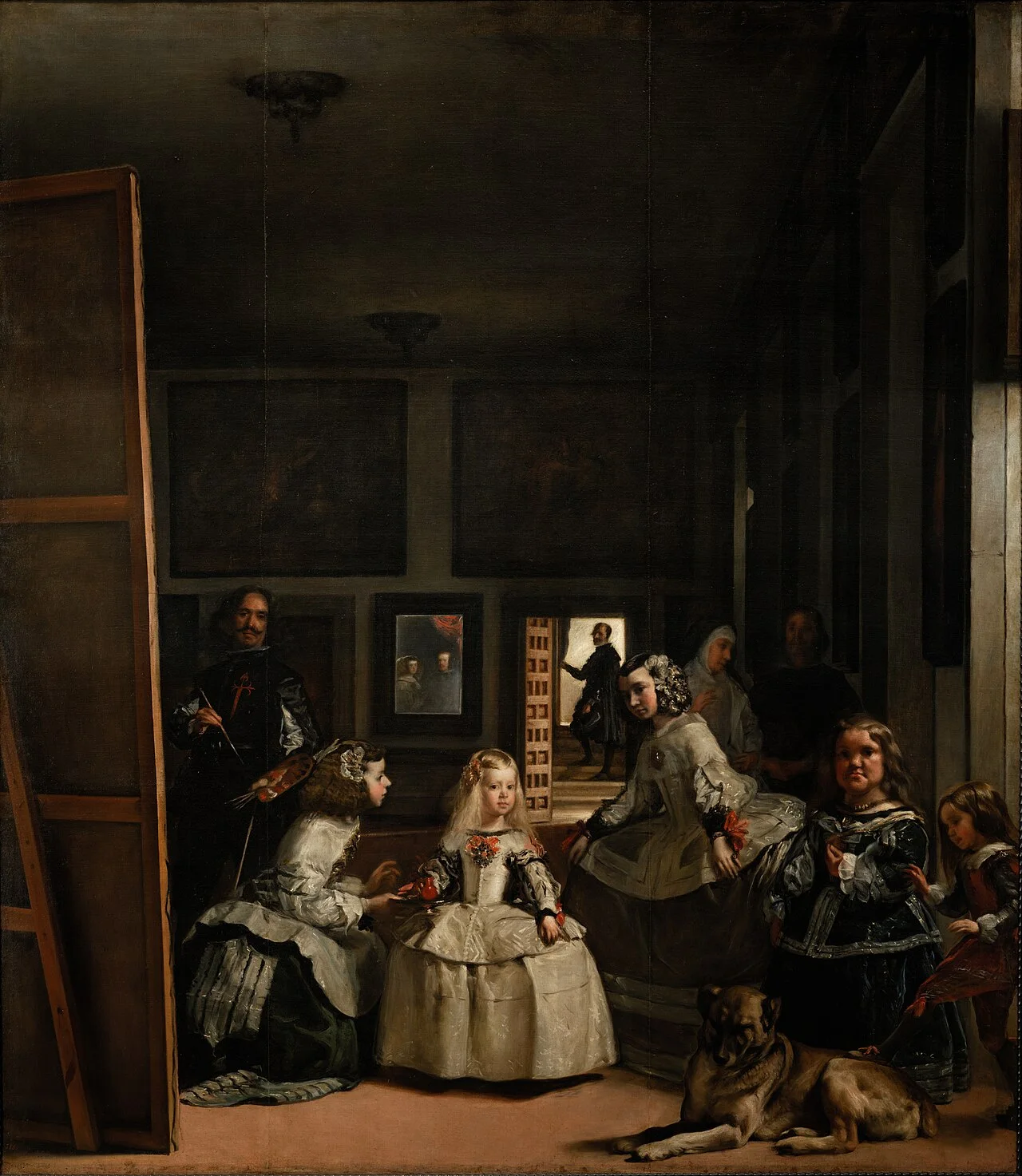
Reading symbols in old paintings: a starter iconography
Skulls, snuffed candles, dogs and mirrors keep turning up in old paintings — and they usually mean something. Here is how to start decoding them without overclaiming.
Read the guide: Reading symbols in old paintings: a starter iconography Try the example: Las MeninasDiego Velázquez / Prado in Google Earth (opens in a new tab)Public domain (opens in a new tab)
Style labels
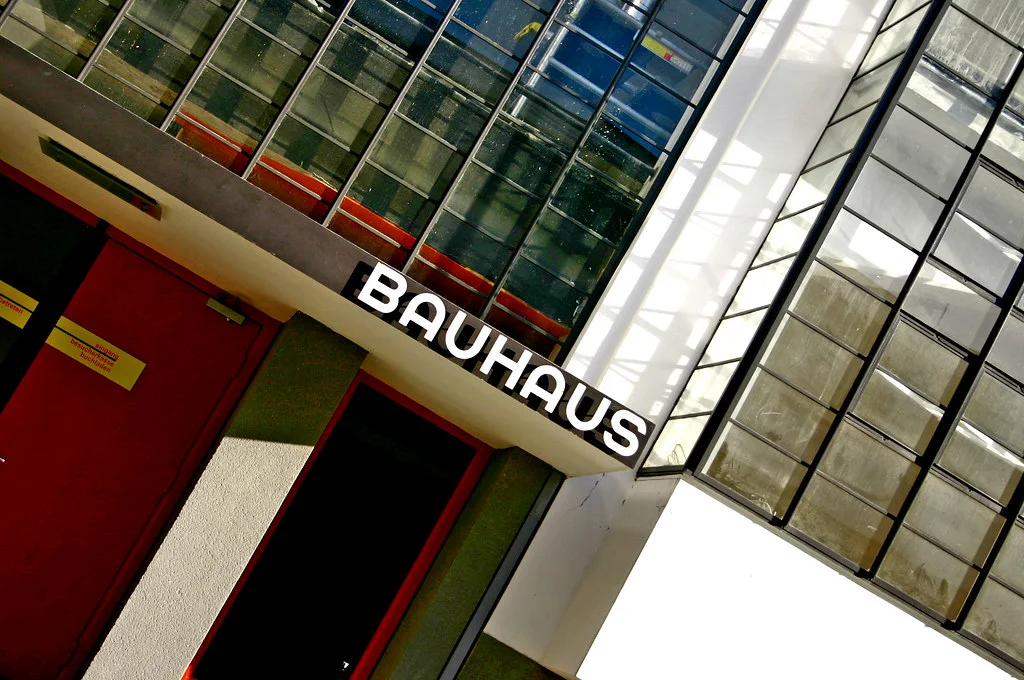
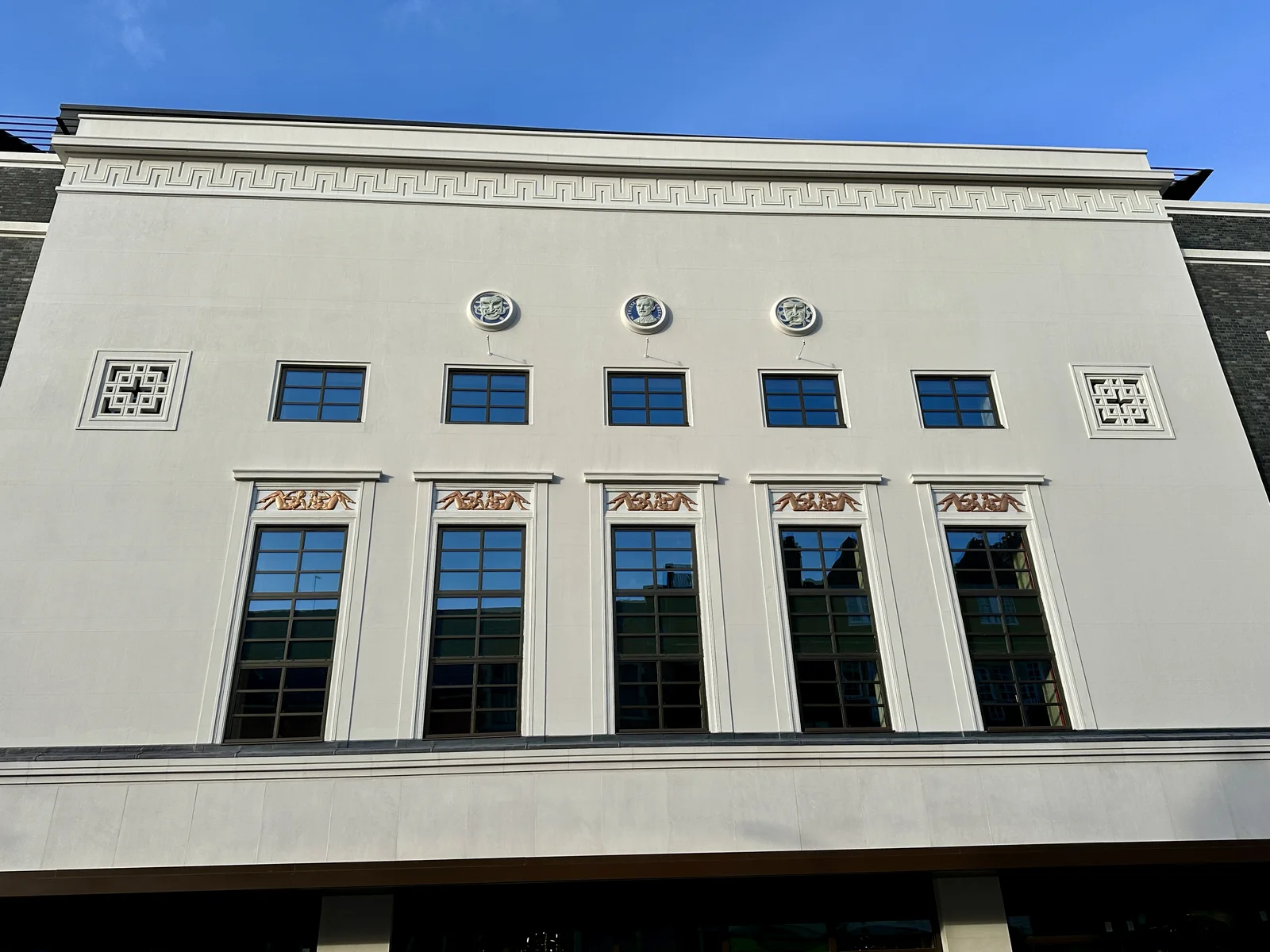
'Art deco', 'Bauhaus', 'mid-century': what the style labels actually point at
Marketplace listings stretch style labels until they mean 'looks nice'. The three words below have real visual signatures — and real objects to test them against.
Read the guide: 'Art deco', 'Bauhaus', 'mid-century': what the style labels actually point at Try the example: Art Deco Cinema FacadeMatt Brown (opens in a new tab)CC BY 2.0 (opens in a new tab)
Visiting a museum
A first hour in an art museum: how to plan a visit that isn't exhausting
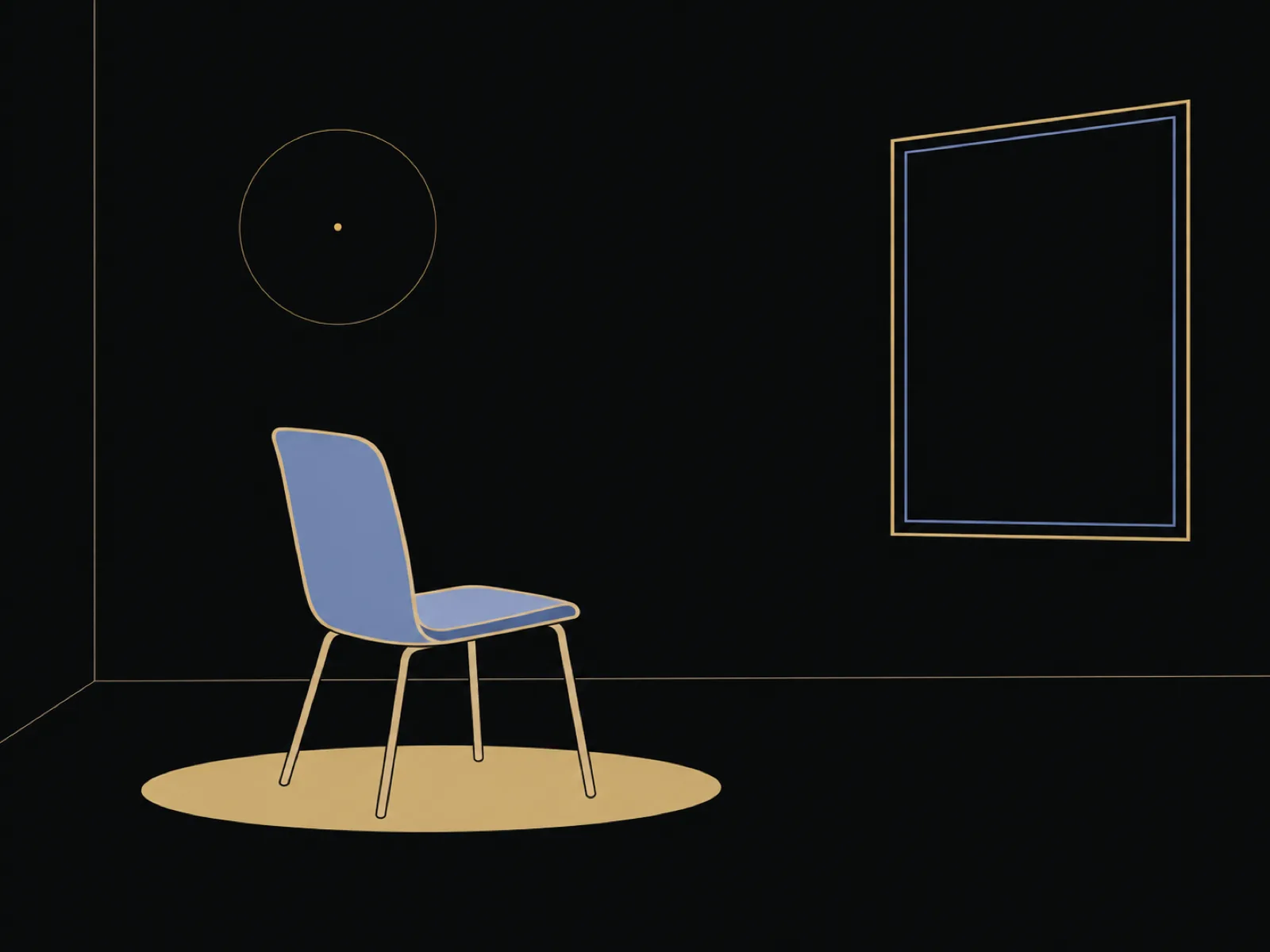
Big museums are built for years of looking, not one afternoon. A short visit works better with a plan — one wing, a few works, and permission to stop.
AI-generated editorial illustration
Prints
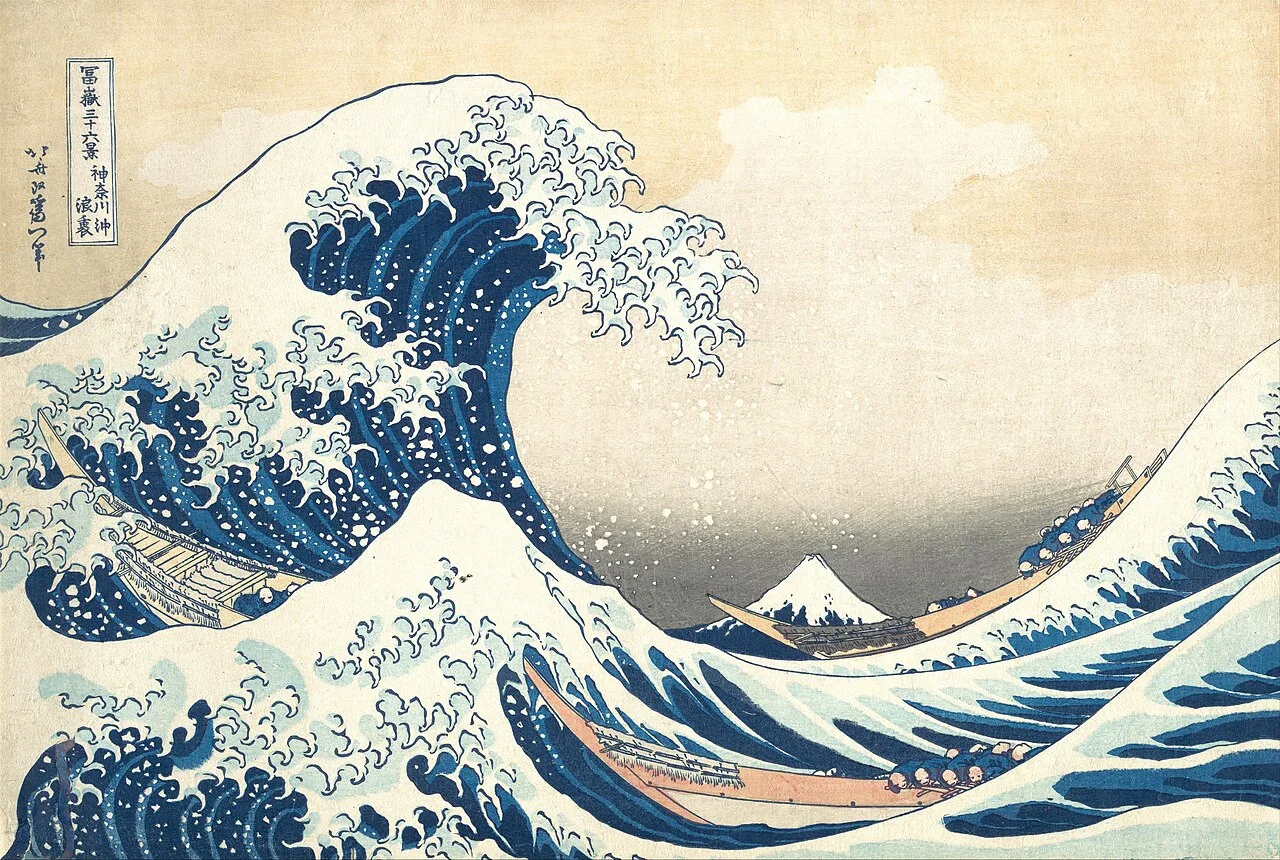
Why the same print looks different in every museum
Two museums show the Great Wave in different colours, and both are right. Prints are multiples — and impressions, editions and photographs each change what you see.
Read the guide: Why the same print looks different in every museum Try the example: The Great Wave off KanagawaKatsushika Hokusai (opens in a new tab)Public domain (opens in a new tab)
Printed ephemera
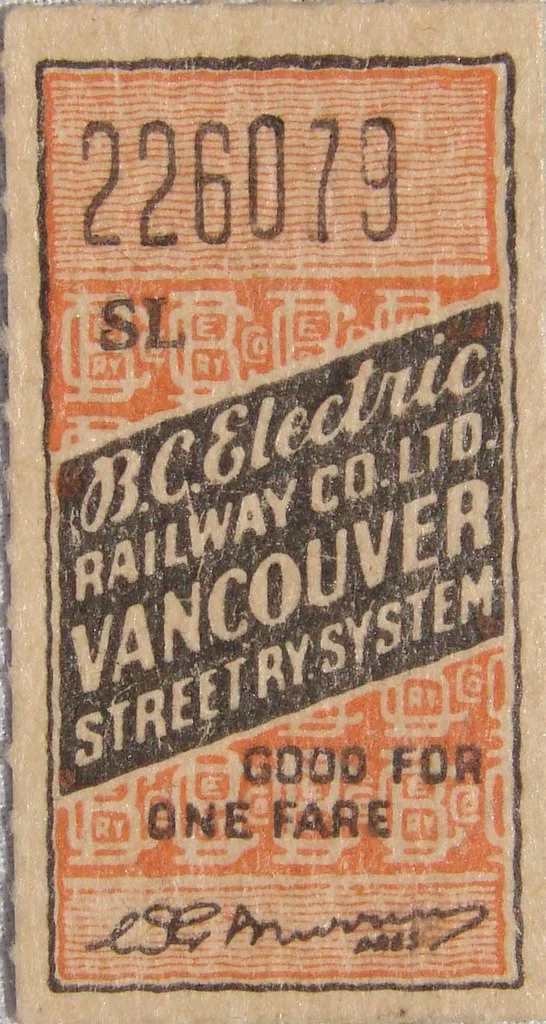
How to read printed ephemera: tickets, labels, tins and menus
The drawer of old tickets and tins is a design archive. Small printed objects carry their history in type, perforations and wear — here is how to read them.
Read the guide: How to read printed ephemera: tickets, labels, tins and menus Try the example: Vintage Railway Ticketblizzy63 (opens in a new tab)Public Domain Mark 1.0 (opens in a new tab)


Have a photo
of your own?
Choose a photo, pick a focus, and start the reading yourself. The browser sends it only when you choose Start reading.
Try the browser scannerMore ways to look
Essays on attention, evidence, and interpretation.
How to look at art without needing the right answer
Start with the surface, then let the questions get more interesting.
Read the essayWhat a camera can, and cannot, tell you about art
A photograph is an invitation to look closer, not a replacement for context.
Read the essayEveryday things worth looking at twice
The ordinary is full of decisions about shape, light, use, and care.
Read the essay