
Guide · Visiting a museum
A first hour in an art museum: how to plan a visit that isn't exhausting
Big museums are built for years of looking, not one afternoon. A short visit works better with a plan — one wing, a few works, and permission to stop.
A big museum can flatten a first visit: too many rooms, too many masterpieces, and the quiet conviction that you are supposed to see all of it. You are not. Museums themselves plan for short visits — the Art Institute of Chicago publishes a 'What to see in an hour' route through its own collection. An hour spent properly on a few works beats three hours spent proving you walked past everything.
This guide plans the visit rather than the looking: where your attention goes, in what order, and when to stop. The looking itself has its own routines — the slow-looking guide and the label guide cover them — so think of this as the plan those routines fit inside.
Pick one wing, not the whole building
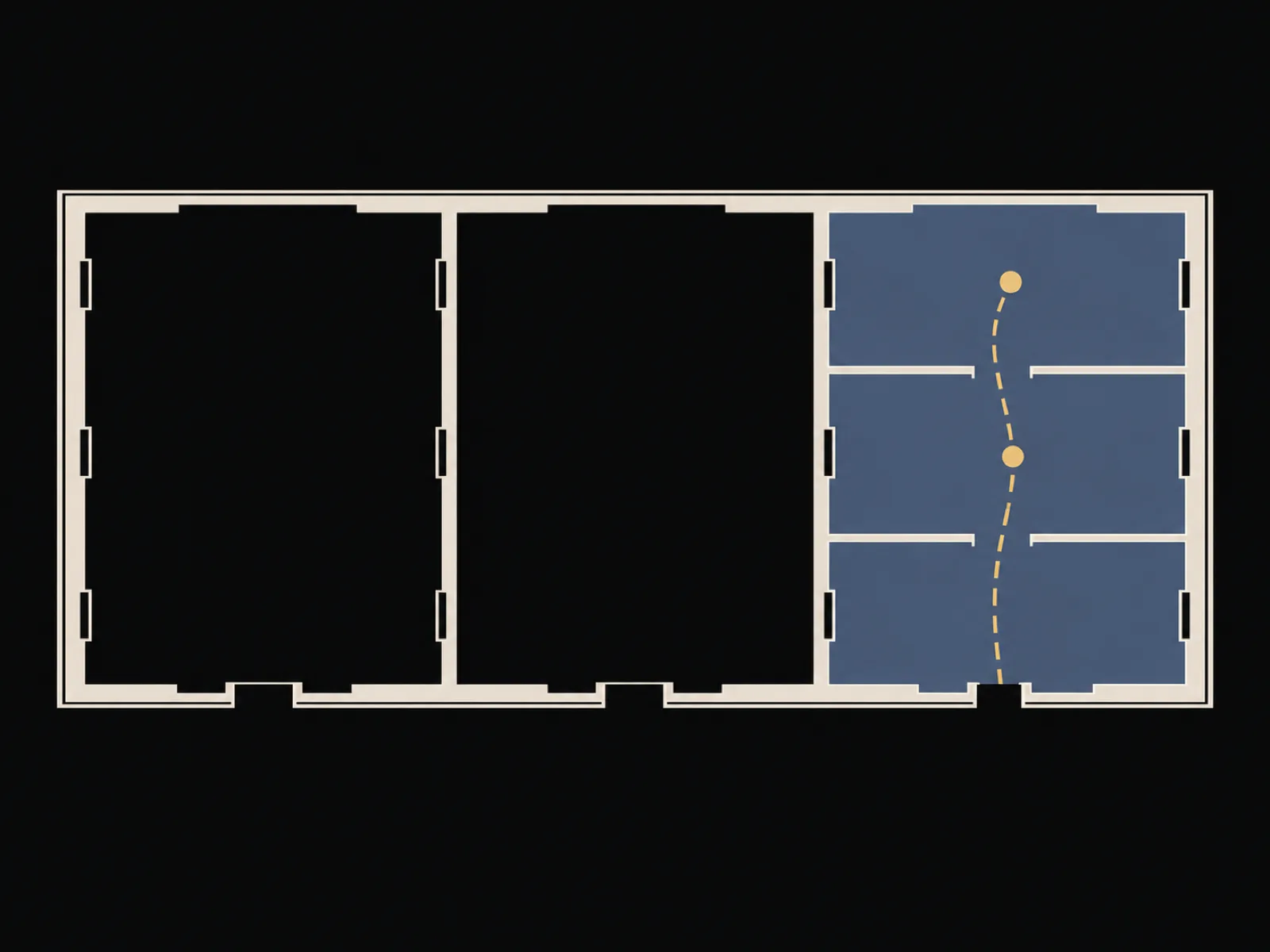
The first decision is what you will not see. Museums publish floorplans and collection overviews for exactly this reason — the National Gallery's plan-your-visit page notes more than a thousand paintings on display, which is the whole argument for choosing a fraction of them.
Pick one collection, wing, or period — whatever you actually came for — and let the rest be background. The Getty is split across two entire locations, a European-art Center and an antiquities Villa: even institutions treat 'everything' as more than one visit.
If the building is genuinely a one-room loop, the same rule shrinks to one wall. Choosing is the skill; the size of the museum only decides how much you are choosing not to see.
The first fifteen minutes: orientation over art
Spend the first quarter hour on logistics, not paintings. Find the floorplan, the room you chose, the nearest bench, and the way out. Check the photography rules where signs post them — the National Gallery, for example, permits personal non-commercial photography unless a sign says otherwise, and special exhibitions often differ.
This is also when you set the end time. An hour is a commitment you keep to yourself — knowing when you will leave is what makes lingering at a single work feel allowed rather than behind schedule.
Three works well is worth thirty works fast
Attention is the actual budget of a museum visit. Three works you looked at properly will survive the day; thirty works you glanced at will blur into each other by dinner. If a work holds you, stay — the itinerary exists to permit that staying, not to hurry you past it.
When you do stop, give the work the first minute before the label gets one. The slow-looking routine has a three-minute version built for exactly this stop.
When the label helps and when it costs you the looking
Labels answer questions you have not asked yet if you read them first — and they are indispensable once you have looked. The label guide walks through what each line carries and when to read it; the short version is: give the work a glance first, then let the label confirm, correct, or complicate what you saw.
The famous-work exception is real: a label beside something like the Mona Lisa mostly tells you what the crowd is for. At a famous work, the crowd itself is evidence — watch what everyone is photographing, then decide whether to join the reading or walk to the quieter room that holds your attention.
Knowing when you're done — museum fatigue is real
Tired eyes stop reading works; they start filing them. When the rooms begin to blur — everything looks 'important', nothing looks distinct — the visit is over whether the hour is up or not. Leave while it still feels good: a museum you finished wanting more from is a museum you will return to.
No rule says you owe the building stamina. Sit when benches appear, and treat the café or the exit as part of the plan, not a failure of it.
Try it: one hour, one wing, one scan
The next time you visit, run the plan once exactly as written — then take the one work that stayed with you and check your memory against the layers the methodology separates: what you saw, what the record says, what you made of it.
Where photography is allowed, photograph that one work on the way out — or find it in the museum's collection record — and scan it later. The reading is AI-generated and provisional — which is what makes the comparison interesting: whether its draft noticed what you did.
Pick the wing before you arrive Use the museum's floorplan or collection pages to choose one collection or period. Everything else is next time.
Set an end time An hour is enough. Knowing when you will leave is what lets you linger at a single work without feeling behind.
Spend fifteen minutes orienting Find your room, the nearest bench, and the photography rules. Read no labels yet.
Stand in front of three works Give each a real minute before reading anything. If one holds you, let the plan absorb the delay.
Read the label second Let it confirm, correct, or complicate what you saw — not replace it.
Stop while it still feels good Blurred attention is the signal to leave. The museum is not going anywhere.
Take another look
Think of your last museum visit: how much of it do you actually remember? Next time, leave an hour, pick one wing — and if a work follows you home, scan its photo and see whether the AI-generated, provisional reading found what you did.
Sources
- National Gallery, plan your visit (opens in a new tab)
- Tate, visit (opens in a new tab)
- Getty, visit (opens in a new tab)
- Art Institute of Chicago, what to see in an hour (opens in a new tab)
Museum logistics come from the institutions' own visit pages; the visit plan itself is Art Says Hi editorial guidance. Sources last checked 2026-10-01.
Read a photo of your ownYour photo is only sent when you choose Start reading.
Spotted an error? Tell us