
Guide · Printed ephemera
How to read printed ephemera: tickets, labels, tins and menus
The drawer of old tickets and tins is a design archive. Small printed objects carry their history in type, perforations and wear — here is how to read them.
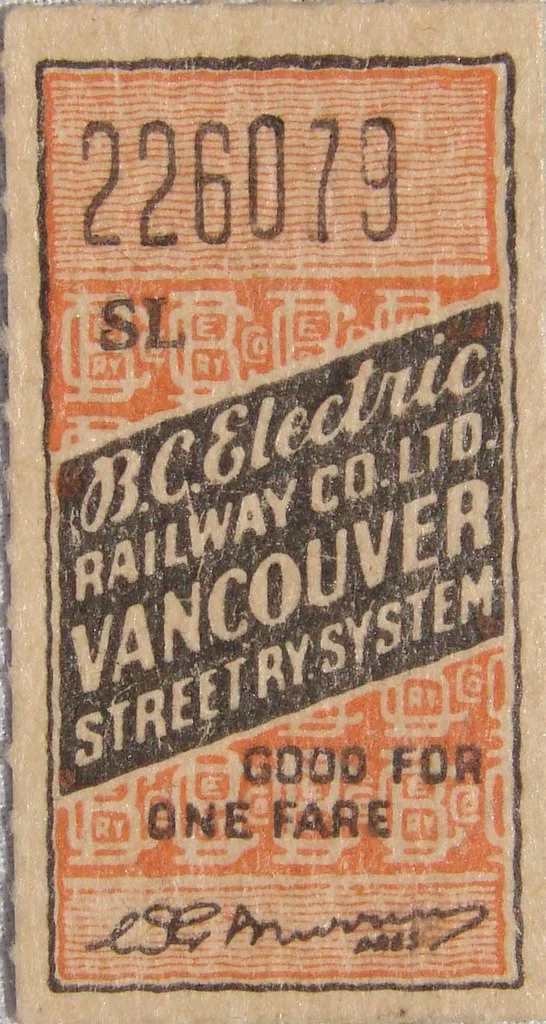
Ephemera is the print that was never meant to keep: tickets, labels, packaging, menus, timetables, trade cards. It was made to do a job — admit you, sell you, tell you — and then be thrown away. Which is exactly why libraries keep it: the British Library holds seventeenth- and eighteenth-century single-sheet printing alongside the Evanion collection's Victorian tickets, advertisements and trade cards, and the Library of Congress keeps thousands of travel posters as evidence for how advertising and graphic design worked.
Four pieces of ephemera sit in this site's library — a railway ticket, a matchbox label, a biscuit tin, a diner menu — and they all read the same way: type first, then the physical story. This is the manual.
What counts as ephemera
The word covers printing made for short-term practical use: a ticket is good for one journey, a label for one box, a menu for one service. Survival is the accident — most of it was binned on schedule — so what remains is a skewed but rich sample of ordinary visual culture.
Because it was functional, ephemera records things formal art does not: prices, routes, ingredients, regulations, working typography. The British Library treats it as primary evidence for everyday life and popular entertainment; read it the same way.
Typography doing a job
Read type as a hierarchy of function. The largest words are what the issuer needed seen at arm's length — the product name, the destination, the price. The smallest carry the obligations: conditions, limits, the printer's imprint. Between them sits the persuasion.
On a printed object, typeface, spacing and layout are also date evidence — tickets, labels and packaging each ran through period styles. You do not need to name the style; noticing 'this looks like its decade' is already a reading.
Perforation, numbering and security marks
The functional marks are the most reliable reading on a ticket: punched or perforated edges show where it was meant to tear, a printed serial number made each copy accountable, and an overprinted or hand stamp validated it for use. On the site's railway ticket example, the typography, the punched edge and the stamps are the story.
When a small printed object looks too clean, check whether those marks exist at all — their absence is also information, and so is a mark that does not match the object's apparent age.
Wear as biography
Folds, tears, fading, tape ghosts and rub marks are the object's life recorded honestly. A ticket creased where it was pocketed tells you it travelled; a label still varnished to its tin tells you it did its job. Read wear as evidence of use — and keep it distinct from later repair or intervention, which is the condition guide's subject.
Dating from print clues
Ephemera dates itself generously if you know where to look: printer's and publisher's imprints, company names and addresses, currency and price formats, telephone numbers, postal districts, product claims that later became impossible. Each is a lead, not a proof — a company name narrows a range only if you can document when the company used it.
The marks guide covers the other half of this — stamps, edition numbers and inscriptions — and the same rule applies: marks are evidence to check, not conclusions to announce.
Try it on a ticket from the library
Pick a piece you actually have — or open the site's railway ticket, matchbox label, biscuit tin or diner menu — and run the six moves below.
Then scan the object and compare: does the AI-generated reading — a provisional draft — name the type hierarchy, the working marks and the wear you found? Where it hedges, that is the honest part — a photograph only carries so much evidence.
Name its job Before the design, the function: what was this object for, and who had to read it?
Read the type by size Biggest words first — what the issuer needed seen — down to the small print carrying conditions and imprints.
Find the working marks Perforations, serial numbers, validation stamps, punched holes: the features that made it function, not decorate.
Read the wear Folds, tears, stains, fading — where it was carried, used, kept.
Triangulate the date Imprints, company names, prices and phone numbers each narrow the range; write down what each clue can and cannot show.
Check against a record A museum or library collection entry — like the object histories the National Railway Museum publishes — can confirm or correct your reading.
Take another look
The drawer of tickets and tins is an archive pretending to be clutter. Pull one object out, read it as evidence — then scan it and compare the AI-generated, provisional reading's detail list with yours.
Sources
- British Library, explore the collection: ephemera (opens in a new tab)
- Library of Congress, travel posters guide (opens in a new tab)
- V&A, Prints collection (opens in a new tab)
- National Railway Museum, objects and stories (opens in a new tab)
Ephemera scope follows the British Library's collection descriptions; print and dating claims follow the V&A and Library of Congress material. Sources last checked 2026-10-01.
Read a photo of your ownYour photo is only sent when you choose Start reading.
Spotted an error? Tell us