
Food, print and everyday culture · Discovery
Visual readingVintage Railway Ticket
A small rectangle that turns a journey into typography, perforation, and permission to pass.
Summary
A small rectangle that turns a journey into typography, perforation, and permission to pass.
Reading status
A visual reading of railway-ticket ephemera, not a route, date, authenticity, rarity, or value assessment.
At a glance
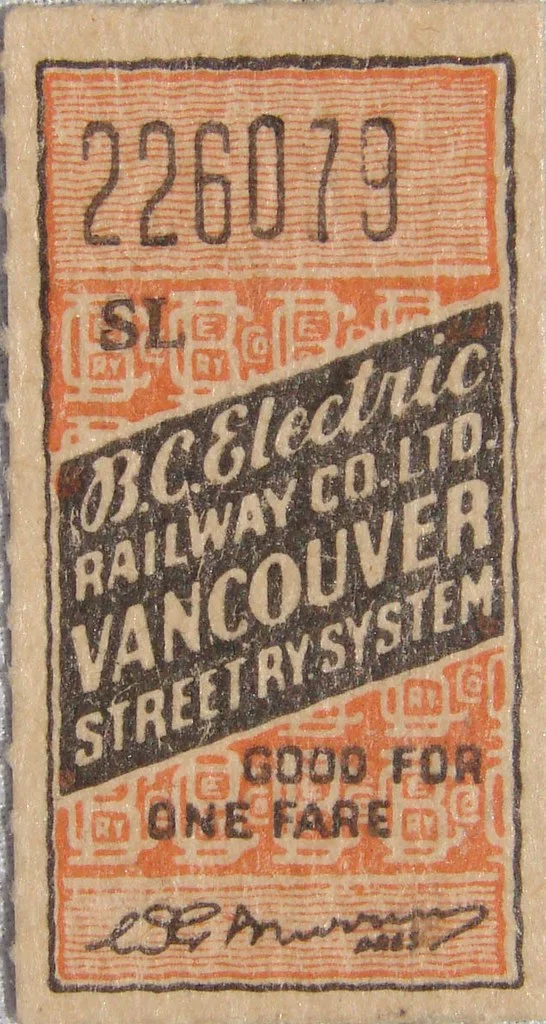
A narrow printed ticket with compact type, borders, serial information, and signs of handling or age.
- Subject
- Vintage railway ticket
- Period
- 20th-century reference
- Materials
- Printed card, ink, perforation
- Setting
- Printed ephemera reference
Visible evidence
Why it matters
A railway ticket is both an object and a promise. Its design has to be read quickly, kept briefly, and remembered later as evidence that a journey happened.
Visible evidence
Look closer
Three details to carry with you.
- 01
Find the largest words and the smallest operational details.
- 02
Notice perforations, edges, and folds as part of the object rather than damage alone.
- 03
Compare the ticket's narrow proportions with the scale of the information it carries.
Documented context
How it was made
Printed card · Ink and typography · Perforation and numbering
Documented context
Story and context
Railway tickets developed with mass travel and needed to combine destination, fare, authority, and handling marks in a small format.
Documented context
Culture and context
A ticket can become a souvenir after its practical function ends. Its visual meaning shifts from permission to memory.
Documented context
Honest facts
Keeping certainty visible.
- A photograph cannot verify route, date, issuer, or whether the ticket was used without readable archival evidence.
- The page makes no rarity, provenance, or value claim.
Interpretation
Interpretation
One way to read it.
The ticket feels important because it compresses a whole movement through space into something held in one hand.
Another reading
Its authority may come mostly from typography and numbering. The printed surface makes an ordinary piece of paper behave like a credential.
This example follows the same order as an Art Says Hi result. Visible details come first, documented context comes next, and interpretation stays clearly marked.
Take another look
Which detail makes the ticket feel official: the border, number, wording, stamp, or paper?
Upload a photoSources
Follow the sources, then return to the image. Some links lead to a collection or publisher website.
Image credits
BCER Streetcar Ticket
blizzy63 (opens in a new tab)Public Domain Mark 1.0 (opens in a new tab)
Resized and converted to WebP for local delivery; composition otherwise unchanged.