
Food, print and everyday culture · Discovery
Visual readingJapanese Ramen Bowl
A bowl that holds a meal, a pattern, and a small architecture of rim, broth, and topping.
Summary
A bowl that holds a meal, a pattern, and a small architecture of rim, broth, and topping.
Reading status
A visual reading of a food vessel and meal scene, not a food-safety, authenticity, recipe, or restaurant review.
At a glance
A deep bowl with a broad rim, repeating decoration, and layered contents that make the vessel part of the meal's composition.
- Subject
- Japanese ramen bowl
- Period
- Everyday object reference
- Materials
- Glazed ceramic, food, decoration
- Setting
- Dining object reference
Visible evidence
Why it matters
A ramen bowl shows how an everyday object can be read through scale, repetition, material, and ritual. The food changes, but the vessel keeps organising the encounter.
Visible evidence
Look closer
Three details to carry with you.
- 01
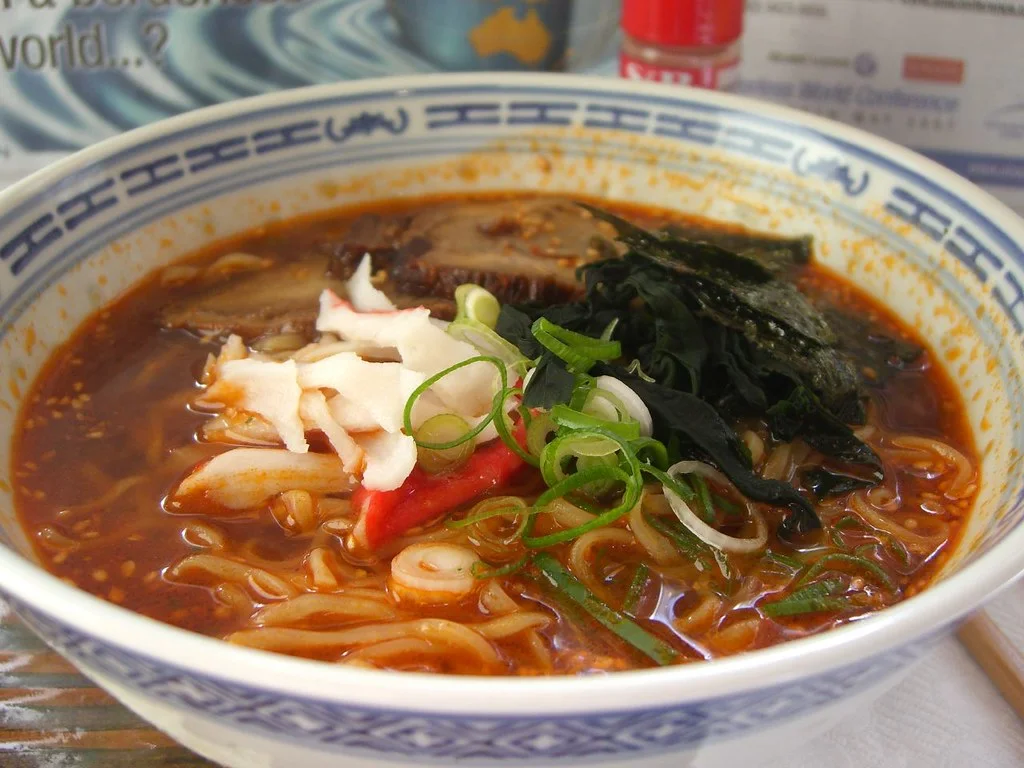
Compare the inner bowl with the decorative rim.
- 02
Notice how the toppings interrupt the broad field of broth.
- 03
Look at the relationship between the bowl's weight and the way it is held.
Documented context
How it was made
Glazed ceramic · Printed or painted decoration · Food, liquid, and utensils
Documented context
Story and context
Ramen bowls vary across makers, regions, restaurants, and domestic settings. Their forms respond to heat, handling, depth, and presentation.
Documented context
Culture and context
The bowl is not only a container. It frames the meal, shapes the pace of eating, and carries the visual language of a place or establishment.
Documented context
Honest facts
Keeping certainty visible.
- A photo cannot establish recipe, restaurant, maker, food safety, or the identity of a private cook.
- The page avoids treating appearance as a judgement of taste, authenticity, or quality.
Interpretation
Interpretation
One way to read it.
The bowl feels generous because its depth holds more than ingredients. It holds a sequence of looking, lifting, and returning.
Another reading
The decoration may compete with the food rather than frame it. The bowl can be read as a stage or as a patterned object that happens to be full.
This example follows the same order as an Art Says Hi result. Visible details come first, documented context comes next, and interpretation stays clearly marked.
Take another look
What do you notice first: the bowl, the broth, the toppings, or the pattern around the edge?
Upload a photoSources
Follow the sources, then return to the image. Some links lead to a collection or publisher website.
Image credits
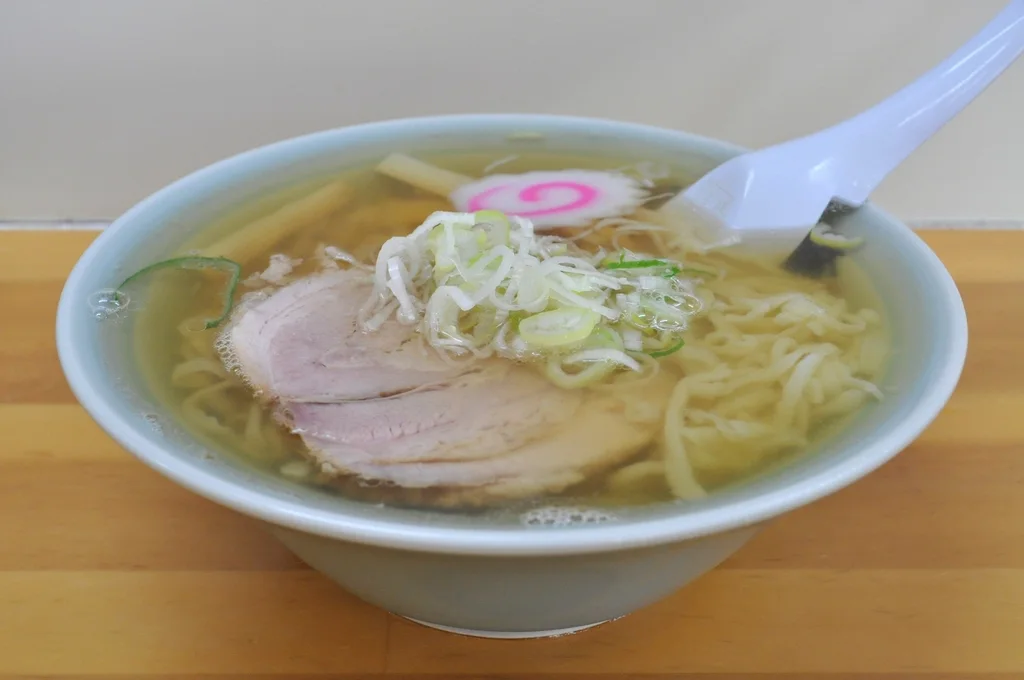
Public domain ramen bowl photograph
Rawpixel public domain image (opens in a new tab)CC0 1.0 (opens in a new tab)
Resized and converted to WebP for local delivery; composition otherwise unchanged.
Spicy Miso Ramen - Sushi Gotcha
avlxyz (opens in a new tab)CC BY-SA 2.0 (opens in a new tab)
Resized and converted to WebP for local delivery; composition otherwise unchanged.